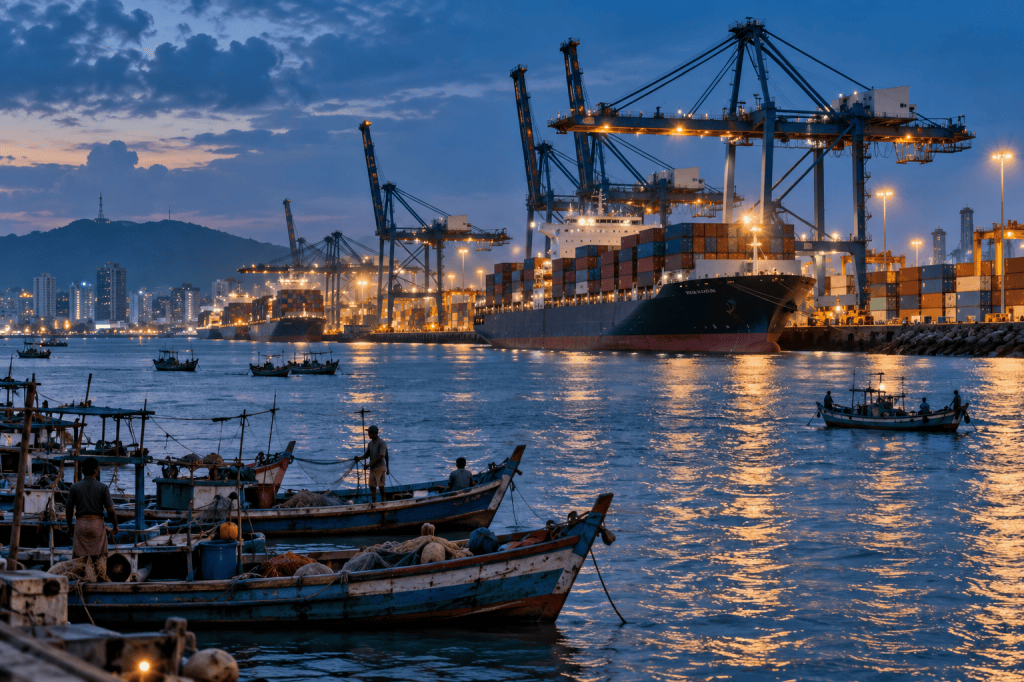
Imagine a ship carrying oil from the Gulf toward Asia. Its route passes through a narrow stretch of water between Oman and Iran: the Strait of Hormuz. Another ship, carrying goods from East Asia toward Europe, may pass through the Strait of Malacca, between the Malay Peninsula and Indonesia.
These ships are far apart, but both depend on the Indian Ocean and the passages connecting it to other seas. If one route is disrupted, vessels may have to take longer journeys, raising costs and delaying deliveries. A local crisis can quickly affect businesses and consumers elsewhere.
That is why the Indian Ocean matters well beyond the countries on its shores. It connects the energy producers of the Gulf with major Asian economies, links Africa to Asia, and carries ships between the Atlantic and Pacific worlds. Its ports and sea lanes have become important to trade, diplomacy and security.
The competition for influence is often described as a contest between major powers. But the region is not an empty chessboard. It is home to many countries, each with its own interests—and each has a stake in how these waters are governed.
An ocean that connects economies
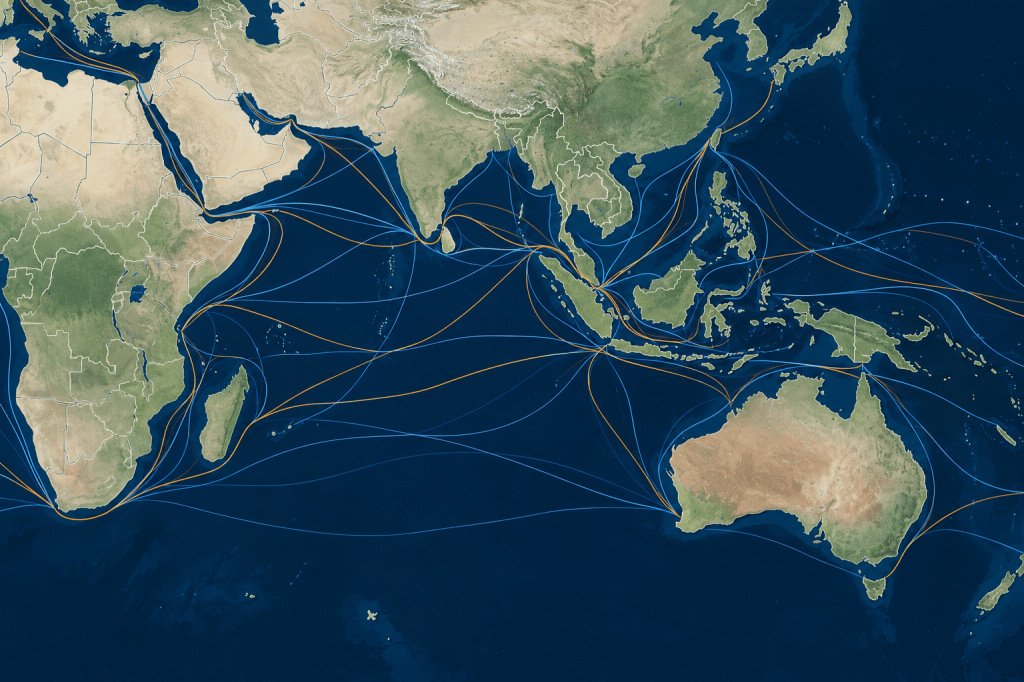
The Indian Ocean stretches from the eastern coast of Africa to South and Southeast Asia, reaching Australia in the east. Its shores include large economies such as India and Indonesia, energy exporters in the Gulf, and island and coastal states with smaller populations but strategically placed ports.
Its importance comes partly from geography. The ocean connects industrial centres in East Asia to energy supplies in the Gulf and markets in Europe. Ships can travel between these regions through several narrow passages called chokepoints. They are not the only possible routes, but their limited width and location make them difficult to avoid.
The Strait of Hormuz links the Gulf with the Gulf of Oman. The Strait of Malacca connects the Indian and Pacific Oceans. Bab el-Mandeb, between the Horn of Africa and the Arabian Peninsula, links the Red Sea to the Gulf of Aden. Disruption at any of them can force ships to reroute, adding time, fuel costs and uncertainty.
UN Trade and Development’s 2025 review of maritime transport notes that the Strait of Hormuz carries a significant share of global trade and seaborne oil. Disruptions around maritime chokepoints can affect shipping costs and supply chains well beyond the immediate region. UNCTAD, Review of Maritime Transport 2025
The figures commonly used to describe ocean trade vary depending on what is counted: container traffic, oil shipments, cargo, or trade by value. The broader point is clear: the Indian Ocean is a major route for goods and energy, and parts of that route pass through narrow, vulnerable waterways.
Why chokepoints matter
A chokepoint turns geography into leverage—and risk. Because ships have fewer practical options around some narrow passages, political tension, conflict, accidents or attacks can affect traffic well beyond the waters where they occur.
A ship does not need to be sunk for disruption to matter. If insurers raise premiums, crews face higher risks or shipping companies change routes, the cost of moving goods can rise. Those costs can feed into the price of fuel, food and manufactured products.
Rerouting is possible in some cases, but it is rarely free. A longer voyage means more fuel, more time at sea and less capacity to carry other cargo. Delays can also ripple through ports and supply chains, especially when factories and retailers depend on deliveries arriving on schedule.
This does not mean every regional crisis will cause a global shortage. Markets can adapt, and ships can change course. But the more heavily trade depends on a few narrow passages, the more exposed it is to disruption.
Ports are more than places to load cargo
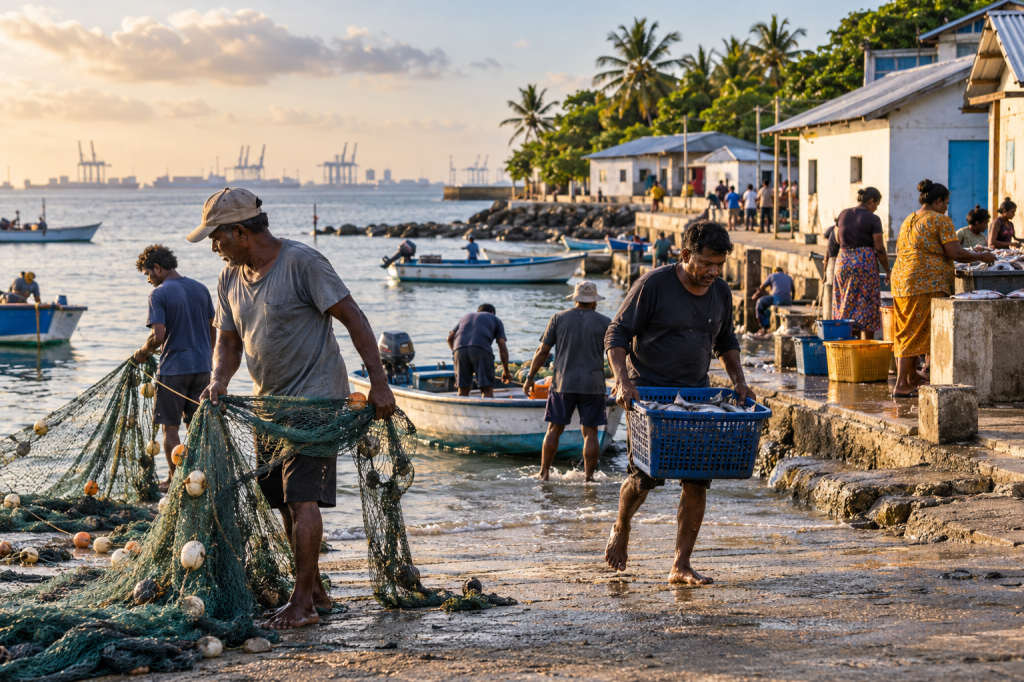
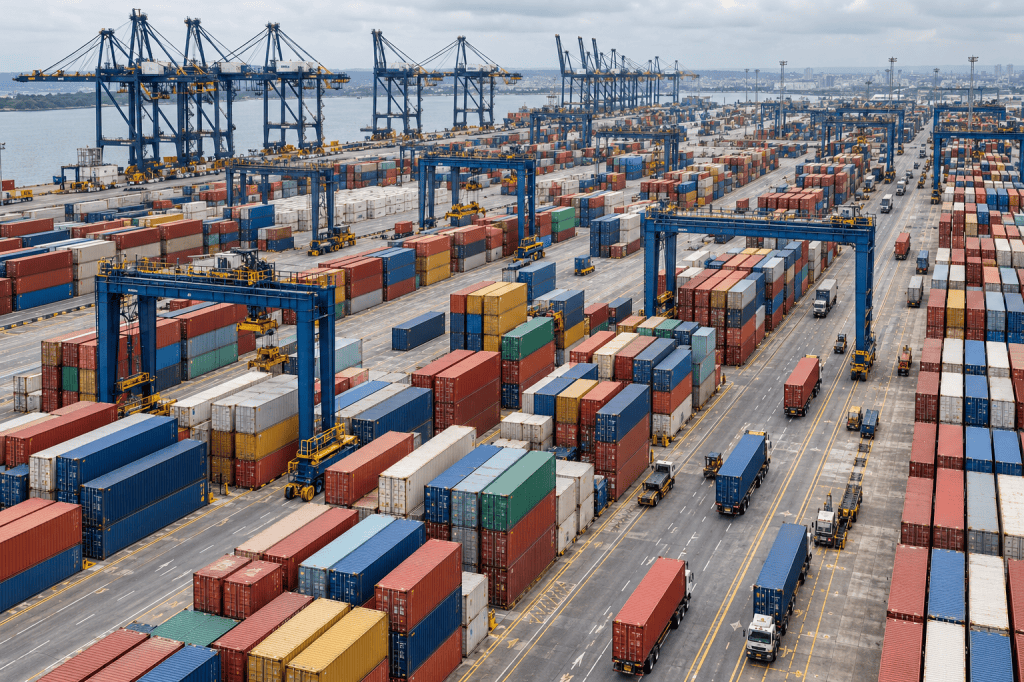
Ports help determine which trade routes are practical and which countries become logistics hubs. They can bring jobs, investment and new links to international markets. They can also deepen a country’s economic ties with its investors and trading partners.
That makes port development politically significant. A port may be commercially operated, financed by overseas companies or included in a wider infrastructure agreement. Those facts alone do not prove that it will be used for military purposes. But governments consider who owns, manages and can access important facilities because ports can have strategic value as well as commercial value.
Smaller states may use interest from larger powers to negotiate investment, jobs or infrastructure. Their choices are shaped by local priorities: debt terms, employment, environmental effects, sovereignty and relations with neighbours. Their role is not simply to choose between competing powers.
This is one reason why regional diplomacy matters. The countries around the Indian Ocean have varied economies and security concerns. They may cooperate with one partner on port infrastructure, another on disaster response, and several on maritime training.
India’s interests and partnerships
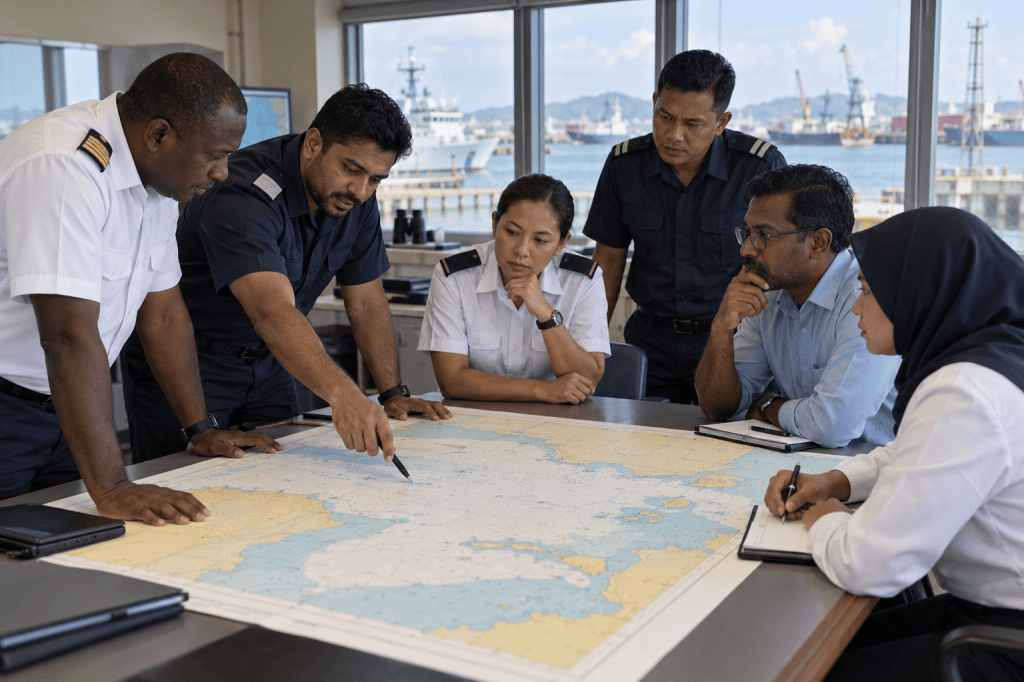
For India, the ocean is both a neighbourhood and a vital route for commerce. Its coastline, island territories and position near major shipping lanes make maritime security a core national concern. India also has strong interests in keeping trade moving and in building relationships with nearby island and coastal states.
India describes its regional approach through the idea of SAGAR—“Security and Growth for All in the Region.” Its activities include naval exercises, information sharing, capacity building and support during emergencies. In March 2025, India announced new maritime initiatives involving regional partners, including a multinational naval deployment and a joint engagement with African countries. Government of India, Ministry of Defence
These efforts can support practical goals: improving coordination at sea, helping countries monitor their waters and preparing for disasters. They also build trust and influence. Those aims can exist together; maritime cooperation is both a public service and part of foreign policy.
India faces a balancing act. It wants to protect its interests and strengthen its role in the region, while avoiding the impression that it seeks to dictate how neighbouring countries should act. Long-term influence depends not only on ships, but also on whether partners see cooperation as useful and respectful.
China’s presence and the limits of a rivalry story
China’s growing economic and naval activity in the Indian Ocean has drawn attention in India and elsewhere. The ocean is important to China’s trade and energy imports, and Chinese companies have invested in infrastructure across the broader region.
It is tempting to describe every port or naval visit as part of a single contest for control. That oversimplifies the evidence. Commercial investment, diplomatic engagement and military access are related but distinct matters. A project’s financing or operator does not, by itself, prove that a port is a military base.
Still, governments plan for possible risks. They monitor the presence of naval vessels, research ships and infrastructure that could become relevant in a crisis. As major powers expand their activities, other countries may respond by building partnerships, improving surveillance or investing in their own navies.
The result is a security dilemma: steps one country describes as protective can look threatening to another. That can lead to more military activity, even when no side intends to start a conflict. Communication and shared rules can help reduce miscalculation.
Security at sea is not only about navies
Naval competition attracts headlines, but many threats at sea are less dramatic. Piracy, smuggling, illegal fishing, accidents, natural disasters and damage to undersea cables can all affect the region. Ports and shipping lanes also require reliable information sharing between countries.
Climate change adds another challenge. Rising sea levels and more severe weather can threaten coastal communities and port infrastructure. Island states may have limited resources to prepare for or recover from disasters. These risks rarely stop at national borders: pollution, disrupted trade and displaced people can affect neighbours too.
This is why maritime security can involve coast guards, disaster response agencies, port authorities, researchers and local communities—not only military forces. Cooperation on rescue operations or information sharing may have a more immediate effect on daily safety than a high-profile display of naval power.
The region’s smaller states have choices
Countries such as Sri Lanka, Maldives, Mauritius and Seychelles occupy important positions along maritime routes. Their geography can attract investment and diplomatic attention. But being strategically located does not guarantee prosperity, and it can bring pressure to manage competing interests.
A port or infrastructure project can create economic opportunities, but its long-term value depends on its cost, the terms of the agreement, local employment and how much risk it brings. Governments must weigh those questions against their development needs and relationships with neighbours.
Regional institutions and agreements can give smaller states a stronger voice. Cooperation on fisheries, pollution, search and rescue, and disaster preparedness also addresses shared problems without requiring countries to align completely with one major power.
The Context
The Indian Ocean’s importance begins with geography, but it does not end there. Shipping routes connect economies; chokepoints make some journeys vulnerable; ports link trade to investment; and naval partnerships shape how governments think about security.
Major powers will continue seeking influence in the region. But the countries that border the ocean have their own ambitions and bargaining power. Their choices—about infrastructure, partnerships and maritime rules—will help shape what influence means in practice.
The central question is not simply which power has the most ships or projects. It is whether countries can keep these routes open and safe while sharing the benefits of trade, respecting national choices and cooperating on the risks they face together.
Sources
- UN Trade and Development, Review of Maritime Transport 2025
- Government of India, Ministry of Defence, Indian Ocean Ship SAGAR and AIKEYME initiatives
- Embassy of India, Dili, India’s Maritime Vision: From SAGAR to Indo-Pacific to MAHASAGAR


Leave a Reply