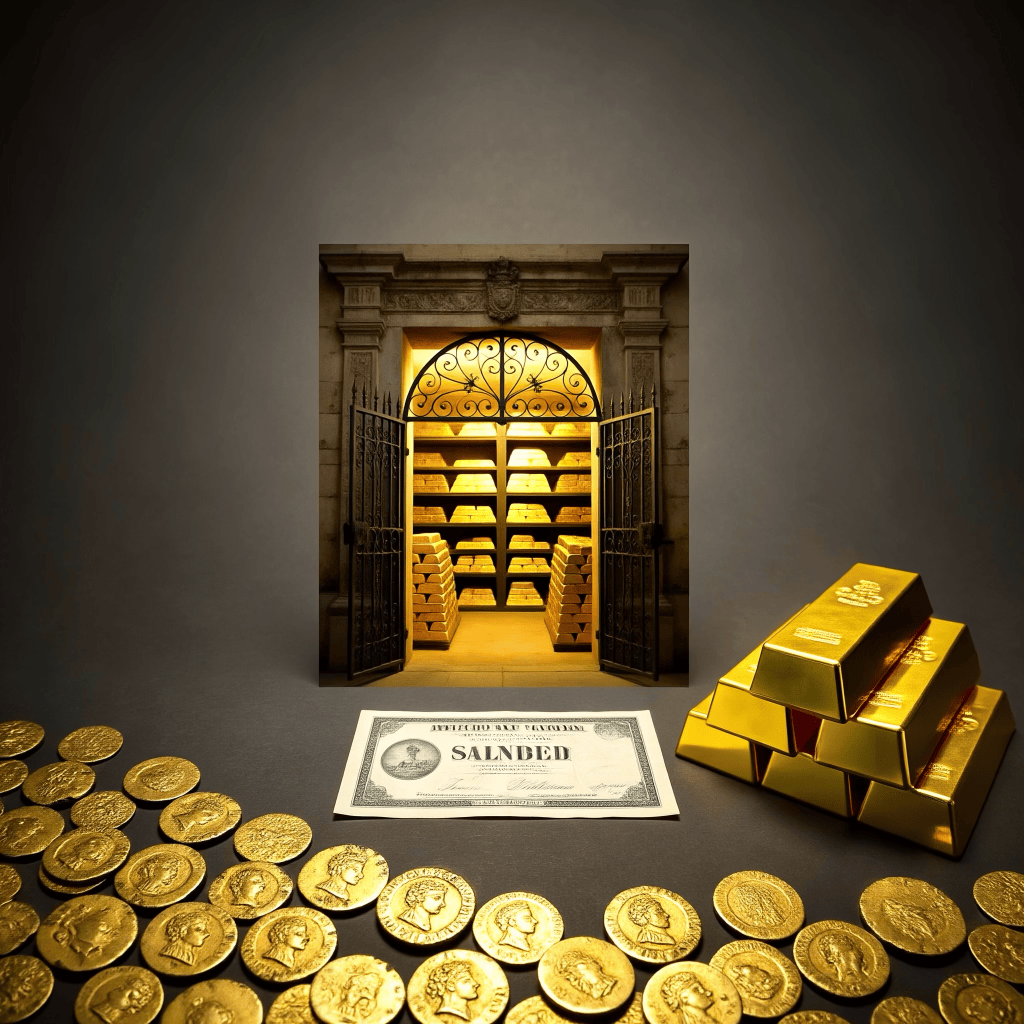
Imagine living in a world without banks, credit cards, UPI, or even paper money.
You are a merchant in an ancient kingdom. You have grain to sell, but the person you are trading with wants something else. What could both of you agree was valuable?
For thousands of years, one answer kept appearing across civilizations: gold.
But why gold?
Why did kingdoms collect it, merchants accept it, rulers put it into coins, and eventually entire monetary systems build themselves around it? And perhaps the more interesting question is: why does gold still have value today, even though most modern currencies are no longer backed by it?
The story of gold is really a story about trust, scarcity, power, and money.
Before Gold Became Money
Gold was valuable long before it became what we would recognize as money.

Ancient societies were attracted to it because it was rare, visually distinctive, durable, and did not rust or corrode like many other metals. It could be melted, shaped, divided, and stored for long periods.
But there was an important problem.
A piece of gold sitting in someone’s possession was not automatically “money.”
For something to function effectively as money, people need to agree that it can be accepted in exchange for goods and services.
Gold gradually gained this role because people across different societies already recognized its value.
That made it useful beyond decoration. It became something that could store wealth and facilitate exchange.
When Kings Put Gold Into Coins
One of the major turning points came when rulers began producing standardized coins.
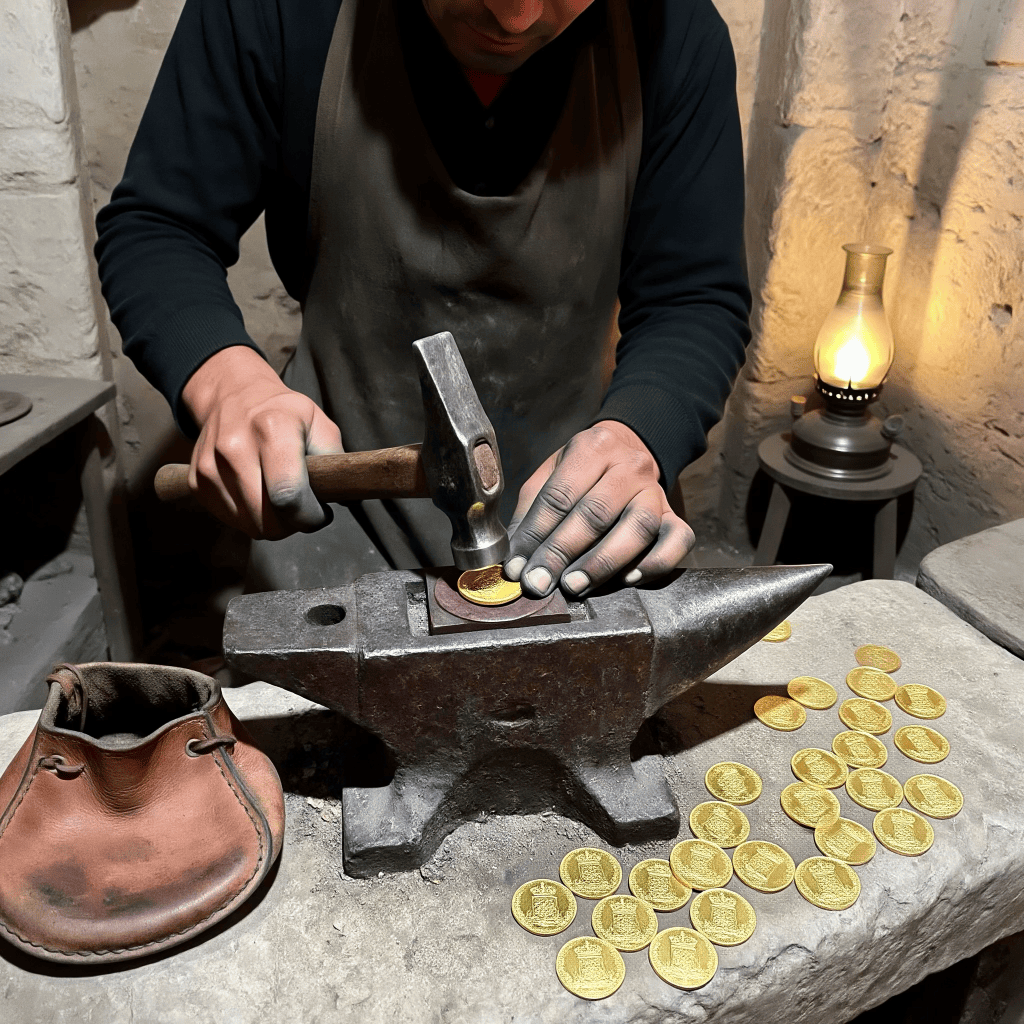
The ancient Lydians are widely credited with producing some of the earliest standardized coinage in the seventh century BCE, including coins made from precious metals. Standardized coins solved an important problem: instead of weighing raw metal every time someone traded, people could use a coin whose weight and purity had been established.
This changed the meaning of gold.
A piece of metal could now carry something more than its physical value. It could carry the authority of a ruler.

A king could mint coins bearing his image or symbol, establishing a recognized standard of weight and purity.
For merchants, this made trade easier.
For kingdoms, it provided a way to organize taxation, military payments, and commerce.
And for ordinary people, gold coins offered something that could be carried, saved, and exchanged.
Gold was no longer simply treasure.
It was becoming part of the machinery of economic life.
Why Did Gold Work So Well?
Gold had several characteristics that made it unusually suitable for money.
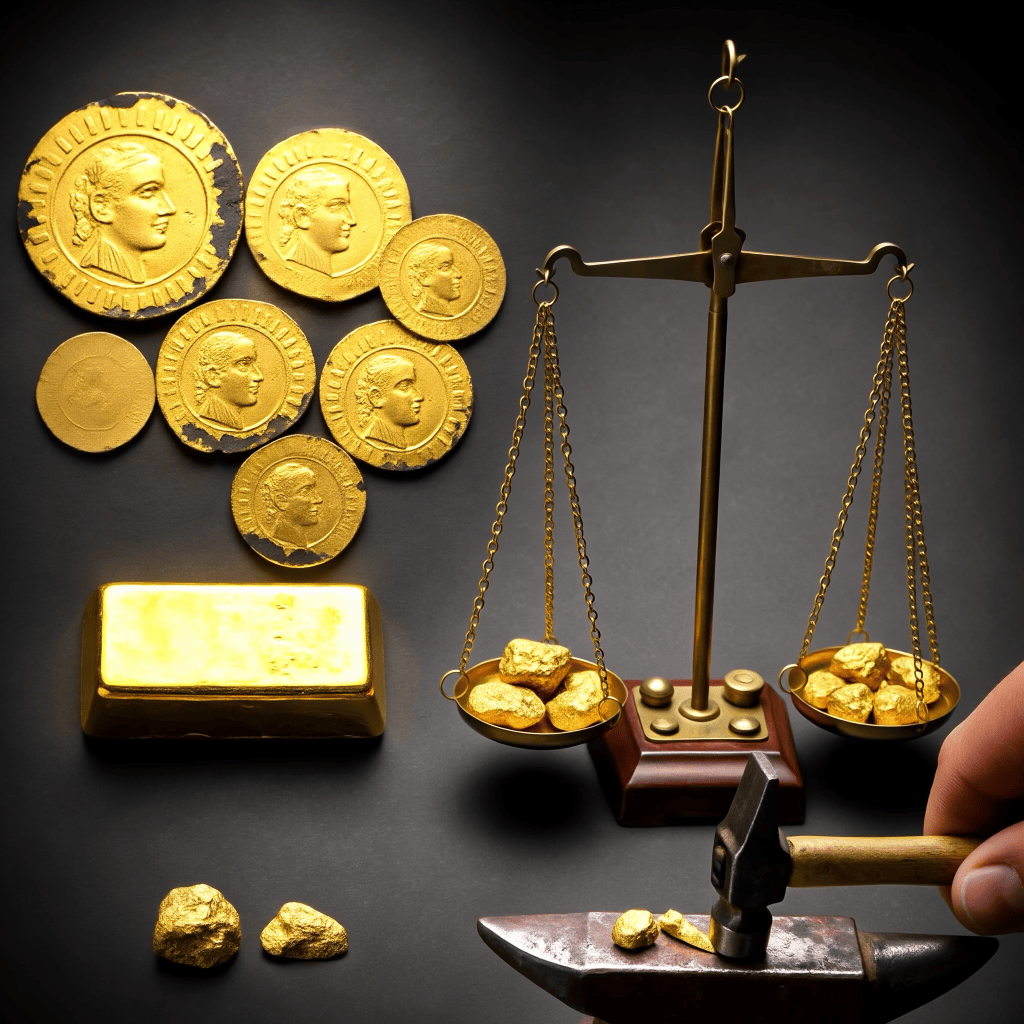
It was:
- Rare — it was difficult to obtain in large quantities.
- Durable — it did not easily deteriorate.
- Divisible — it could be melted and formed into different amounts.
- Recognizable — its appearance made it relatively easy to distinguish.
- Portable — significant value could be stored in a relatively small amount of metal.
- Difficult to produce — unlike ordinary objects, people could not simply manufacture unlimited quantities of it.
That last point became particularly important.
If everyone could create gold whenever they wanted, gold would lose much of its usefulness as a scarce store of wealth.
Its limited supply helped create confidence that one person’s gold would still be valuable to someone else later.
And this brings us to an important idea about money:
Money works partly because people believe other people will accept it.
Gold had a physical scarcity that reinforced that trust.
From Gold Coins to the Gold Standard
Eventually, gold’s role became much larger than individual coins.
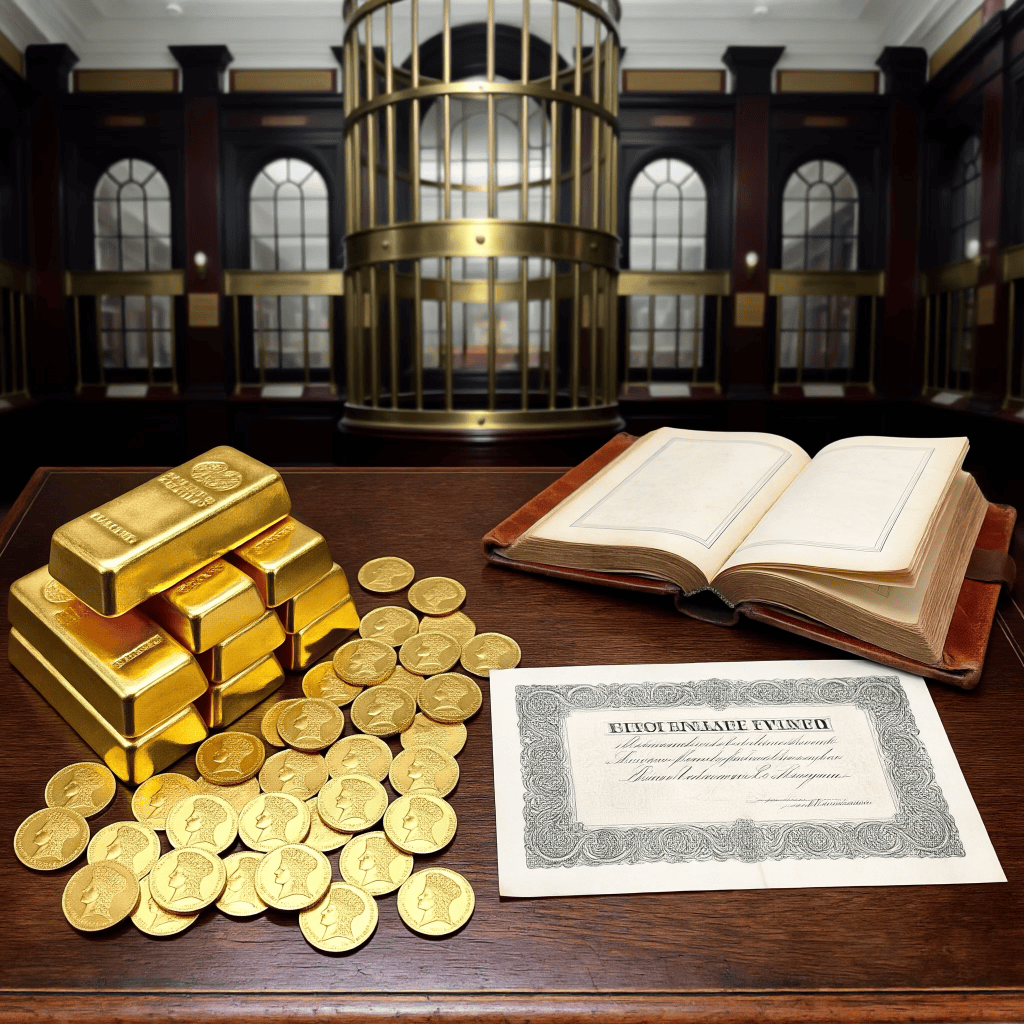
During the nineteenth century, many major economies adopted the gold standard, under which currencies were linked to a fixed quantity of gold. Countries participating in the system effectively promised to maintain convertibility at an established rate.
This created a fascinating situation.
A banknote itself might not be valuable because of the paper it was printed on. Its value was connected to the promise that it could ultimately be exchanged for a defined amount of gold.
In simple terms:
Paper represented gold.
The system helped create relatively stable exchange rates between participating countries and became a major part of international trade during the nineteenth and early twentieth centuries.
But it also created a problem.
Governments and central banks had less freedom to expand the money supply because the monetary system was tied to available gold reserves.
During periods of severe economic crisis, that constraint could become extremely difficult to manage.
The gold standard was gradually weakened and ultimately abandoned in its classical form.
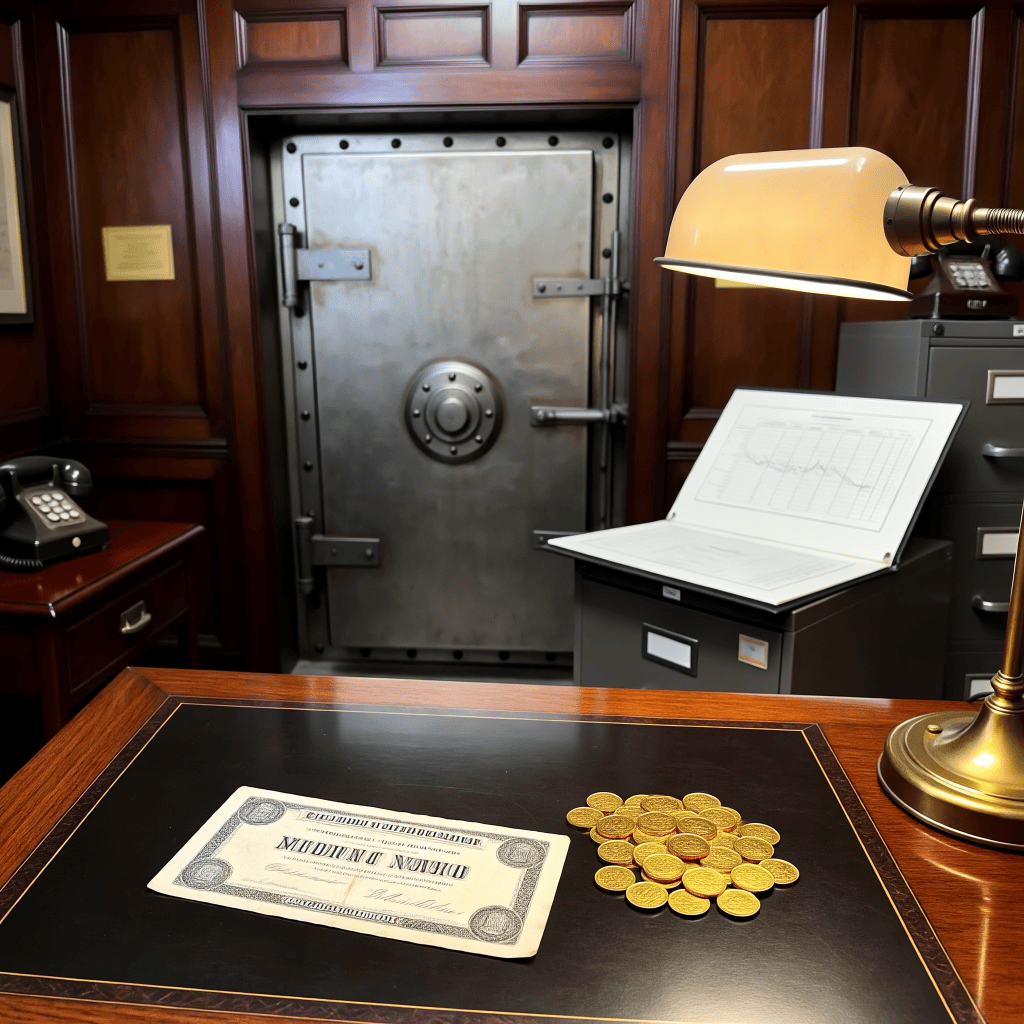
After World War II, the Bretton Woods system created another international monetary arrangement in which currencies were linked to the US dollar, while the dollar was linked to gold. That system eventually broke down in the early 1970s.
And that brings us to the strange situation we have today.
If Money Isn’t Backed by Gold, Why Is Gold Still Valuable?
Today, the Indian rupee, US dollar, euro, and most other major currencies are fiat currencies.

Their value does not come from being exchangeable for a fixed quantity of gold.
So why hasn’t gold become irrelevant?
Because gold stopped being money in the traditional sense, but it did not stop being an asset that people value.
Gold is still bought as jewelry, held as an investment, traded internationally, and kept as part of official reserves.
Central banks around the world continue to hold gold. The IMF itself holds thousands of tonnes of gold, while recent IMF research notes that gold has again become a prominent component of central-bank reserves.
One reason is that gold does not depend on a company’s promise to repay you.
A government can issue bonds. A bank can issue deposits. A company can issue shares.
Gold is different.
Gold is simply there.
It has no company behind it and no government promising to redeem it for a fixed amount of another asset.
That doesn’t make gold risk-free or guarantee that its price will always rise. Its market price can fluctuate significantly, and the IMF notes that gold can be volatile and is not always an ideal asset for every reserve-management purpose.
But its long history gives it something unusual:
trust accumulated over thousands of years.
The Real Reason Gold Survived
Perhaps the most fascinating thing about gold isn’t that humans discovered it was shiny or rare.
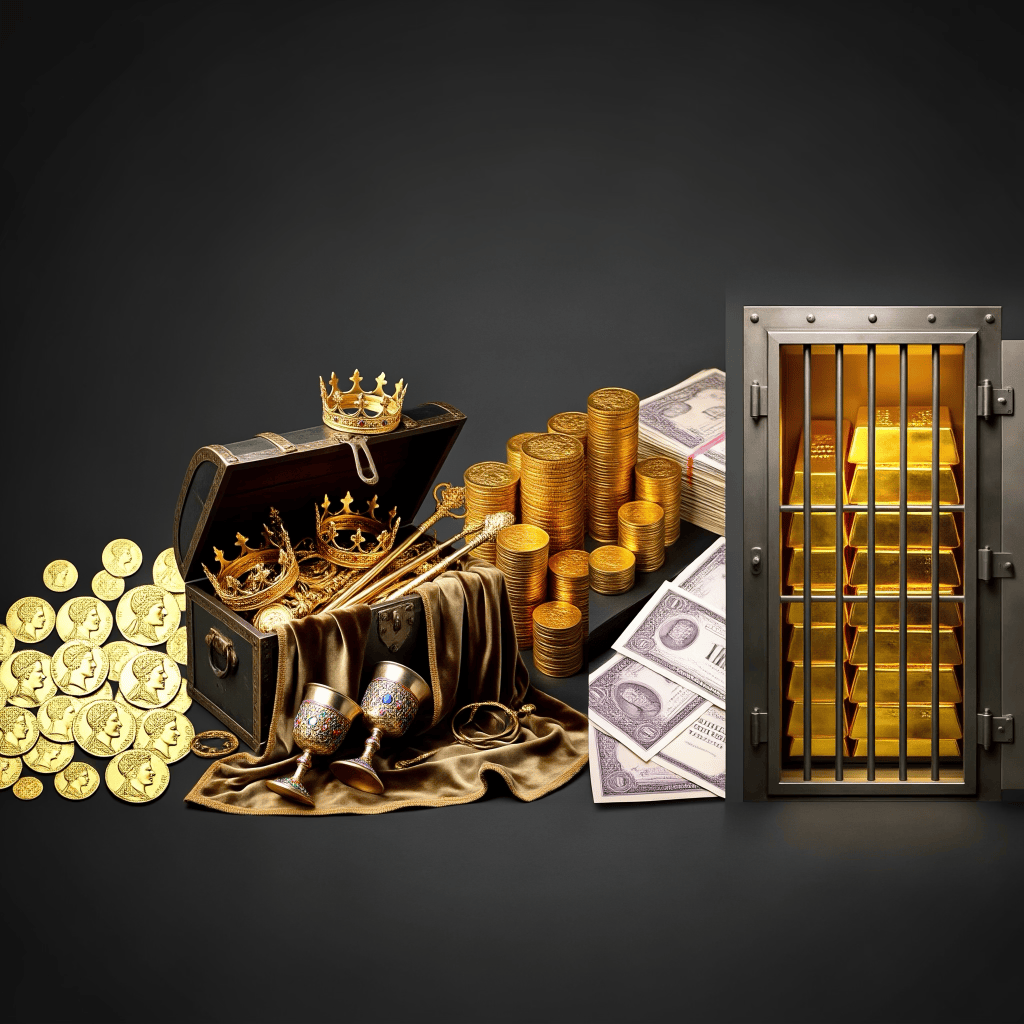
It’s that generation after generation continued to agree that it was worth something.
Ancient kings used it to display power.
Merchants used it in trade.
Governments built monetary systems around it.
Banks stored it in vaults.
And even after modern currencies broke their formal connection with gold, central banks continued to hold it.
Gold’s story therefore isn’t simply about a metal.
It is about human trust.
Money itself is an agreement between people: this thing has value, and someone else will accept it from me.
For much of history, gold was one of the strongest physical objects around which that agreement could be built.
Today, we don’t need to carry gold coins in our pockets. A few numbers on a phone can represent money.
Yet somewhere in central-bank vaults, jewelry boxes, investment portfolios, and financial markets, gold still carries the memory of an older monetary world.
The coins may have disappeared from our pockets. The relationship between gold and human ideas of value never completely did.


Leave a comment