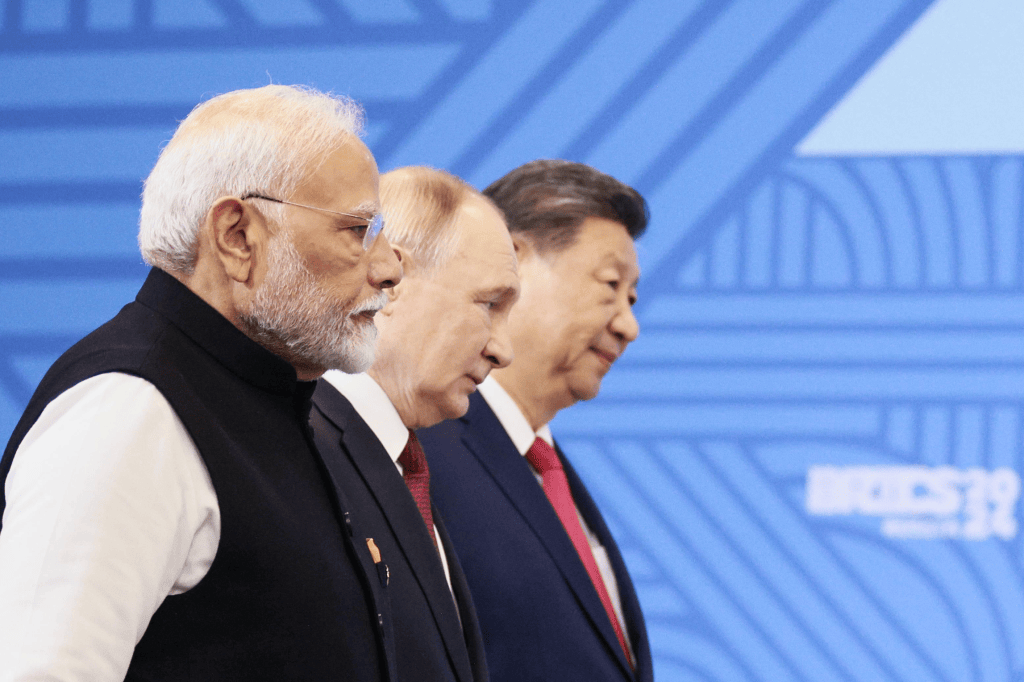
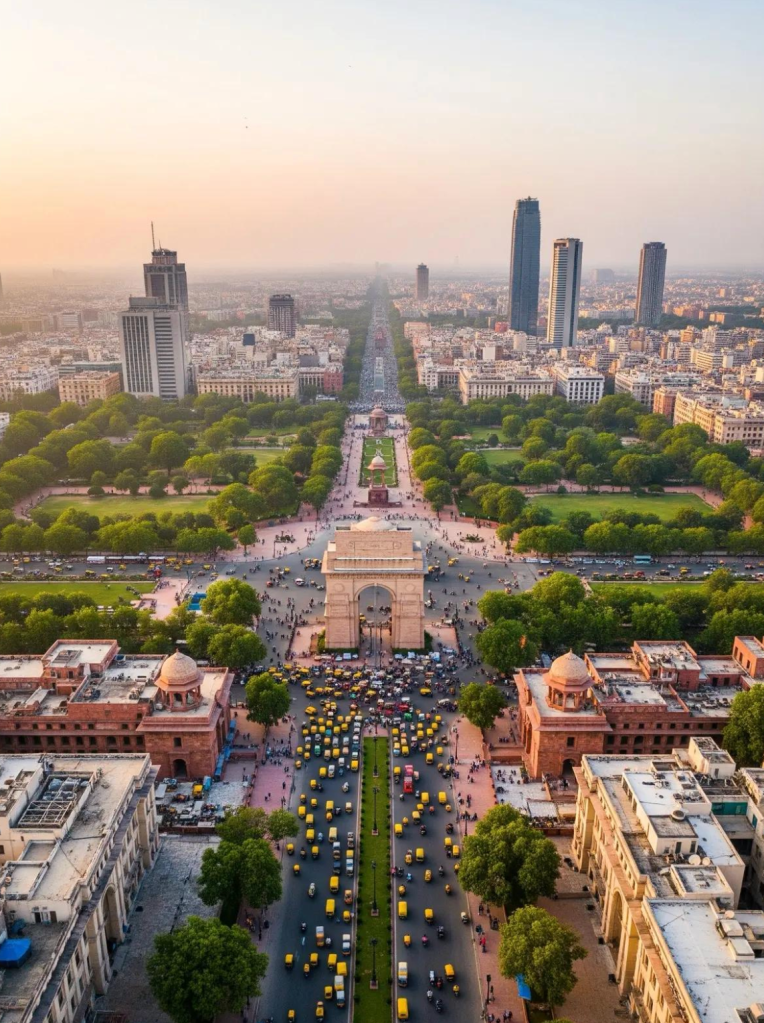
India is hosting BRICS in New Delhi. Xi Jinping is back in India. Vladimir Putin is at the table. Iran and the UAE are sitting inside the same grouping. And the world is watching.
But beneath the handshakes, photographs and diplomatic speeches is a much bigger question:
Is BRICS becoming a new centre of global power—and is India helping build it?
The answer is more complicated than a simple yes or no.
BRICS was once a small grouping of five emerging economies. Today, it has expanded into a much larger platform representing countries across Asia, Africa, the Middle East and Latin America. Its members want greater influence over how the global economy and international institutions work.
And India, as host and chair of the 2026 BRICS summit, has an unusual position.
It wants BRICS to become more influential.
But it does not necessarily want BRICS to become an anti-Western alliance.
That distinction may be the most important part of the entire story.
What Is BRICS, Exactly?
Let’s start with the basics.
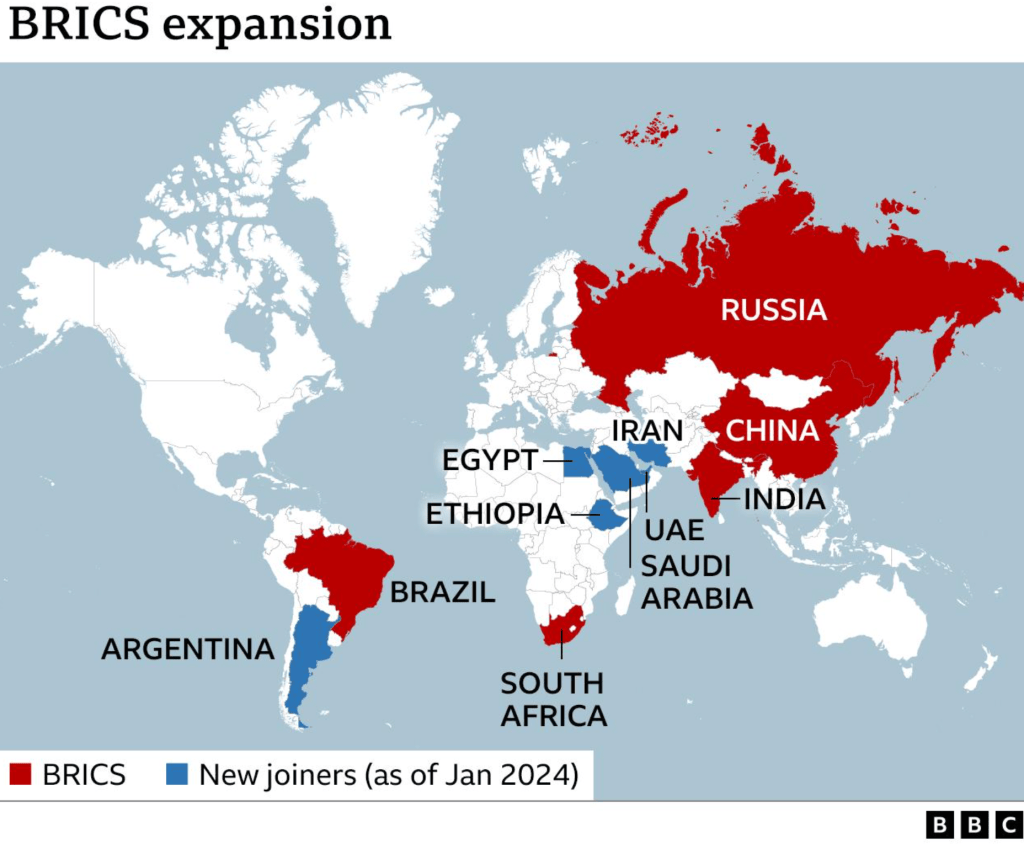
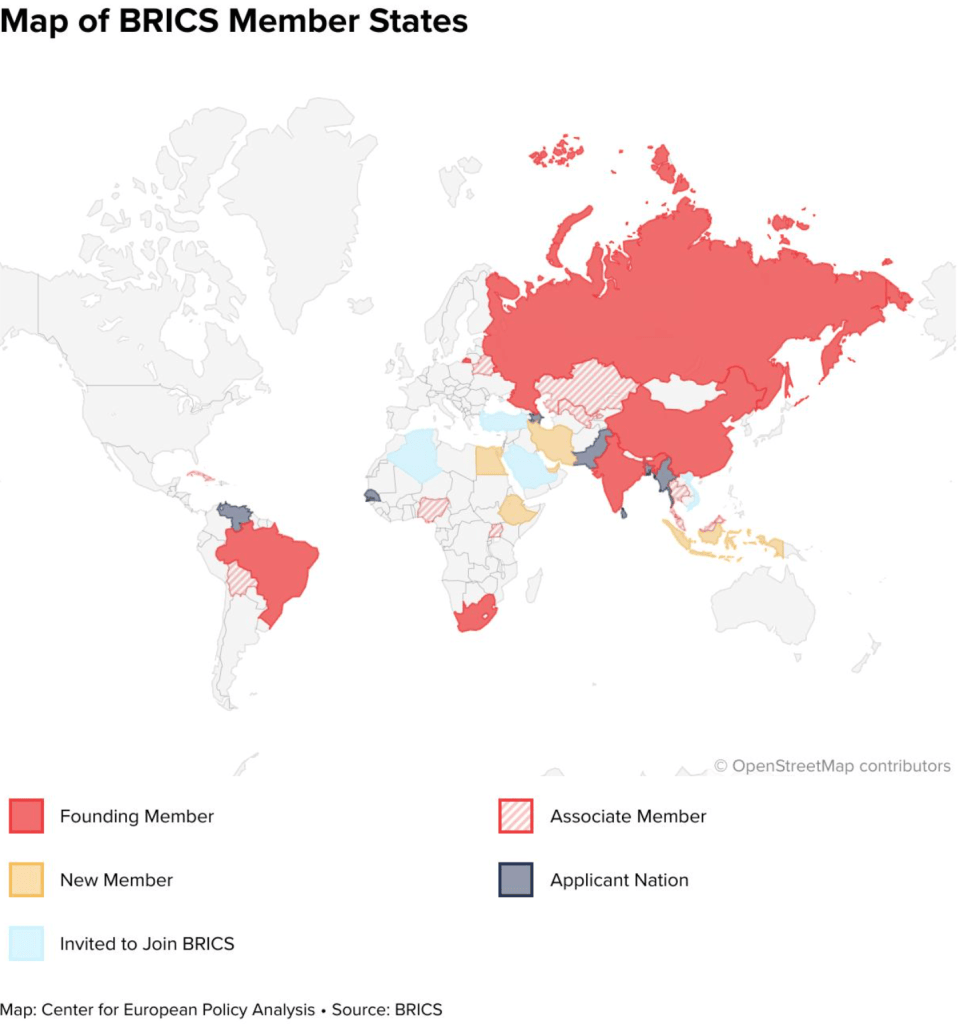
BRICS originally brought together Brazil, Russia, India, China and South Africa.
The idea was relatively simple: these were large emerging economies whose influence in the global system was growing, but whose representation in many international institutions did not always match their economic and demographic weight.
Over time, the group expanded.
The current BRICS grouping includes Brazil, Russia, India, China, South Africa, Egypt, Ethiopia, Indonesia, Iran and the United Arab Emirates, with the grouping operating as a much broader platform for emerging and developing economies.
And this expansion changes the question.
BRICS is no longer simply:
“What can five emerging economies do together?”
It is becoming:
“What happens when a much larger part of the Global South begins coordinating its economic and diplomatic interests?”
That is where things get interesting.
Why Is BRICS 2026 Important?
The 18th BRICS Summit is being held in New Delhi on September 12–13, 2026, under India’s chairship.
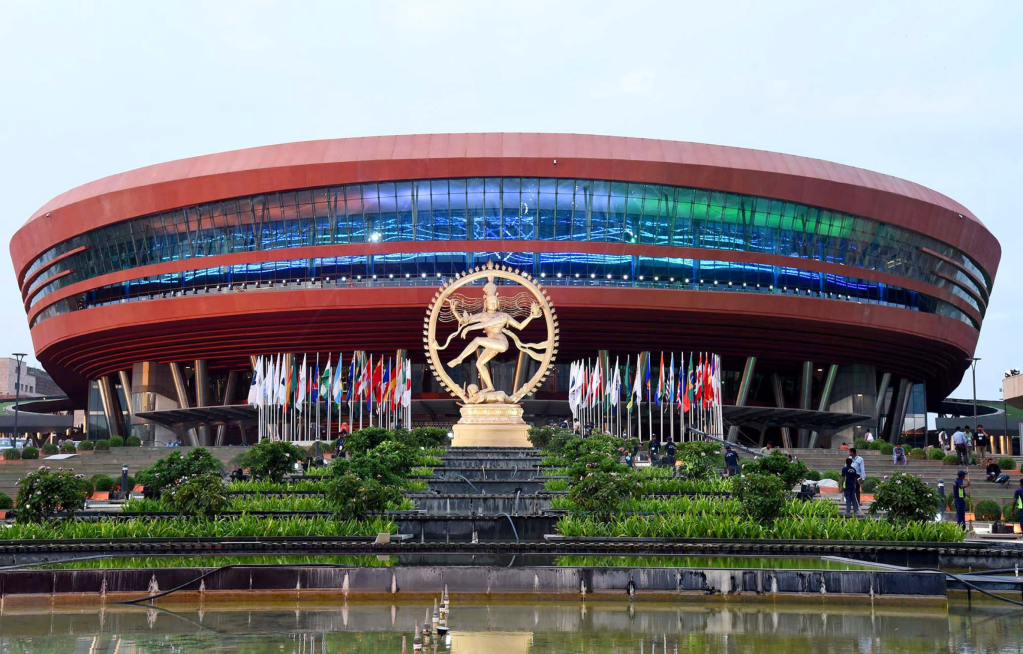
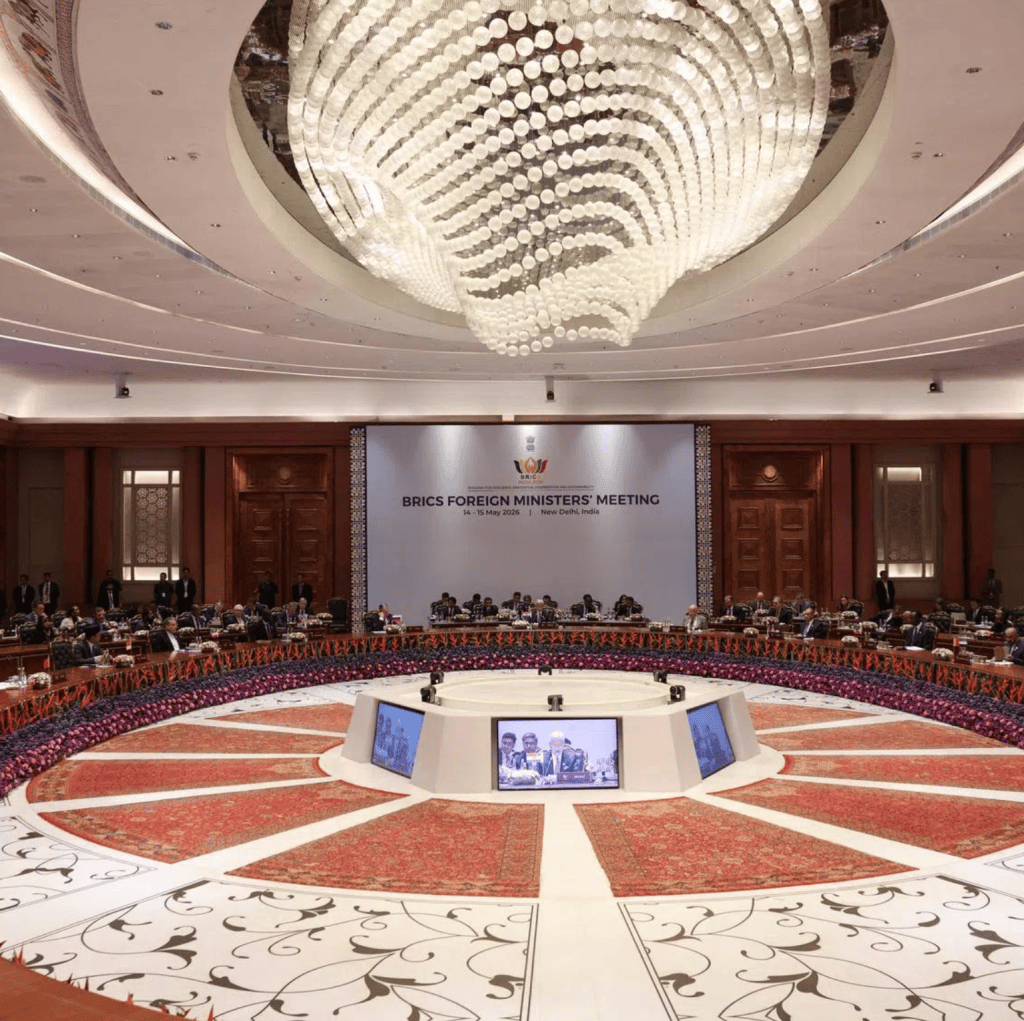
India’s theme for the year is:
“Building for Resilience, Innovation, Cooperation and Sustainability.”
But the timing of the summit matters just as much as the theme.
The world is experiencing wars, trade tensions, sanctions, supply-chain disruptions, competition over technology and growing rivalry between major powers.
At the same time, countries in the Global South are increasingly asking whether the institutions created decades ago still adequately represent the world as it exists today.
The New Delhi Declaration explicitly called for a more representative and equitable international system and stronger participation for emerging markets and developing countries in global decision-making.
So BRICS isn’t just discussing trade.
It is also asking a much bigger question:
Who gets to make the rules of the international system?
India Is In A Very Interesting Position
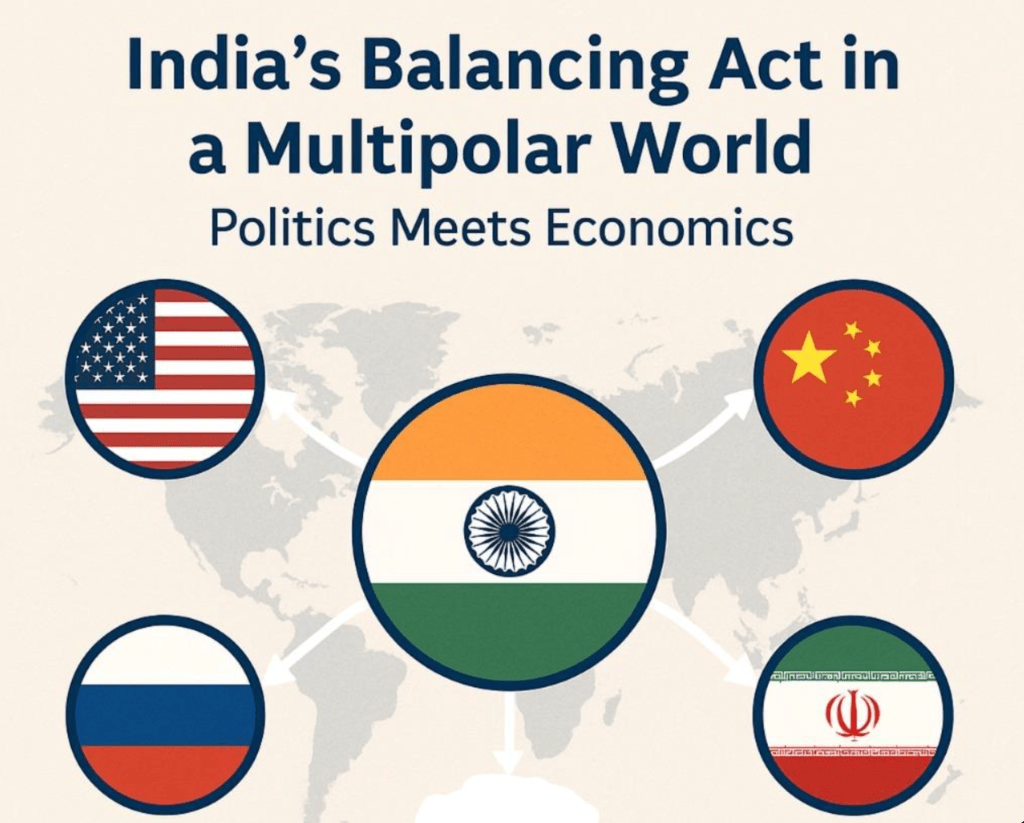
India has something of a balancing act to perform.
On one side, India is a member of BRICS alongside China and Russia.
On the other, India has been strengthening its relationships with the United States, Europe, Japan and other Western and Indo-Pacific partners.
So India isn’t really choosing:
East or West.
It is trying to make sure it can work with both.
That is why Indian Prime Minister Narendra Modi has emphasized that BRICS is not directed against any particular country.
India’s approach is closer to:
“Give more countries a voice.”
Rather than:
“Replace one dominant power with another.”
That difference matters.
Because if BRICS becomes openly anti-American, India could find itself caught between two competing geopolitical camps.
India appears to prefer something else:
A multipolar world where no single power gets to dominate the entire system.
And Then Xi Jinping Arrived
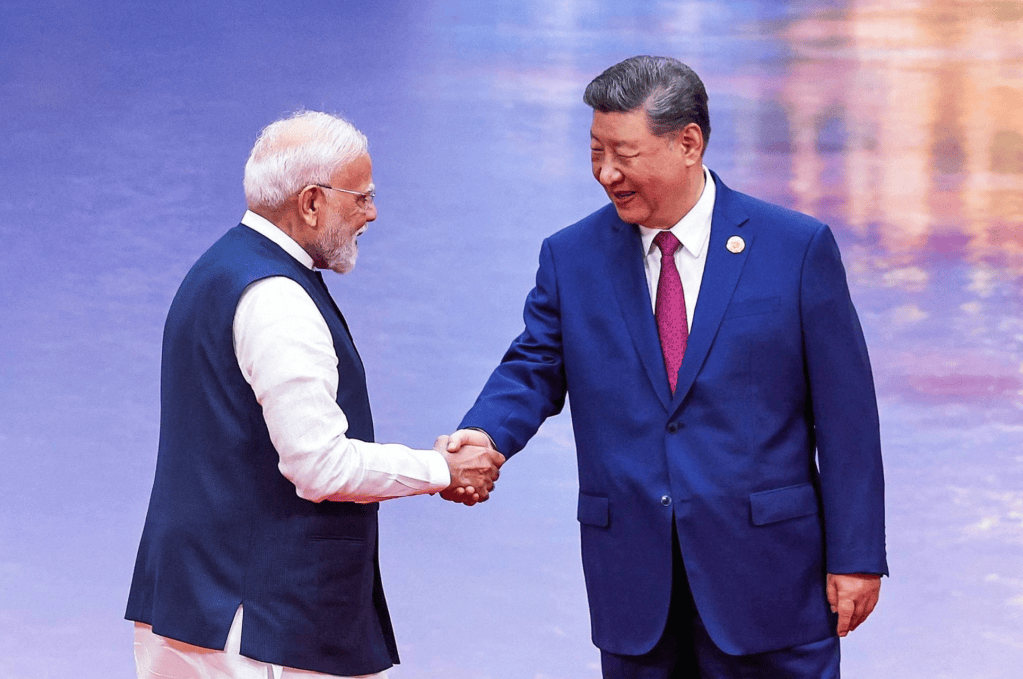
Perhaps the most visually interesting moment of the summit was not even a BRICS announcement.
It was Xi Jinping’s return to India.
The Chinese president visited India for the BRICS summit, marking his first trip to the country in seven years.
Xi and Modi met on the sidelines of the summit and discussed improving bilateral relations, increasing business and transport links, trade and market access, while also addressing the difficult issue of their disputed border.
Remember, India-China relations have been heavily strained since the deadly 2020 border clash.
So imagine the contradiction.
Two countries can be:
competitors + neighbours + trading partners + geopolitical rivals + BRICS partners
all at the same time.
That is modern geopolitics.
Countries don’t always have permanent friends or permanent enemies.
They often have permanent interests.
And BRICS gives India and China a room where they can cooperate even when they disagree elsewhere.
Russia Has A Reason To Be At The Table Too
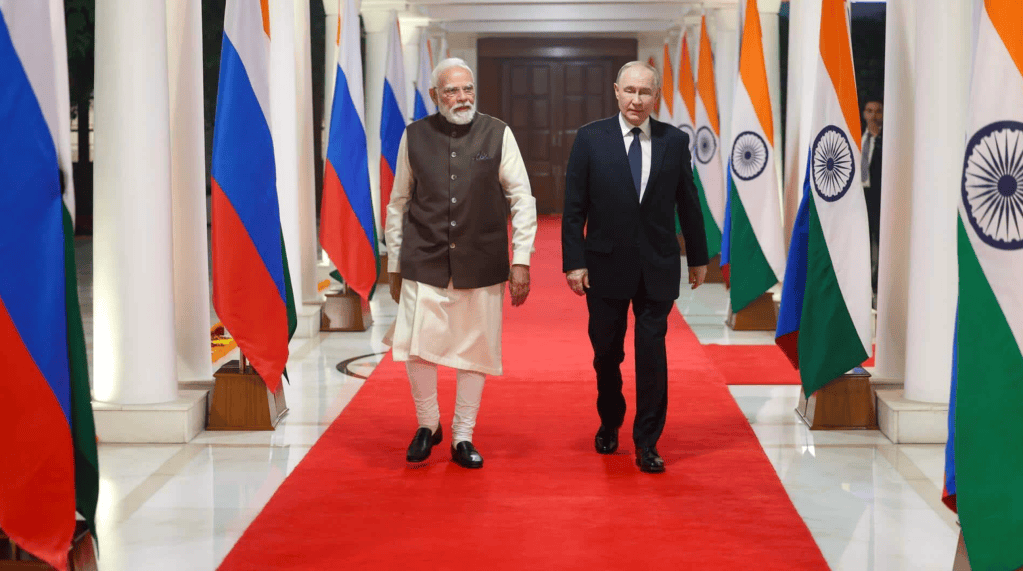
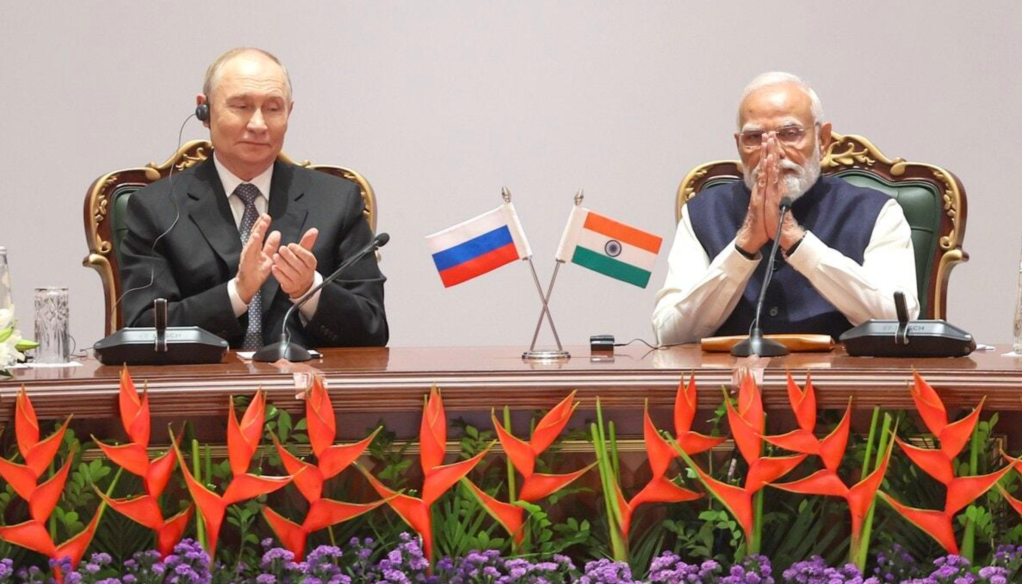
Then there is Russia.
For Moscow, BRICS provides an important diplomatic and economic platform at a time when Russia faces extensive Western sanctions and geopolitical isolation.
But Russia isn’t the only country interested in reducing dependence on Western-dominated systems.
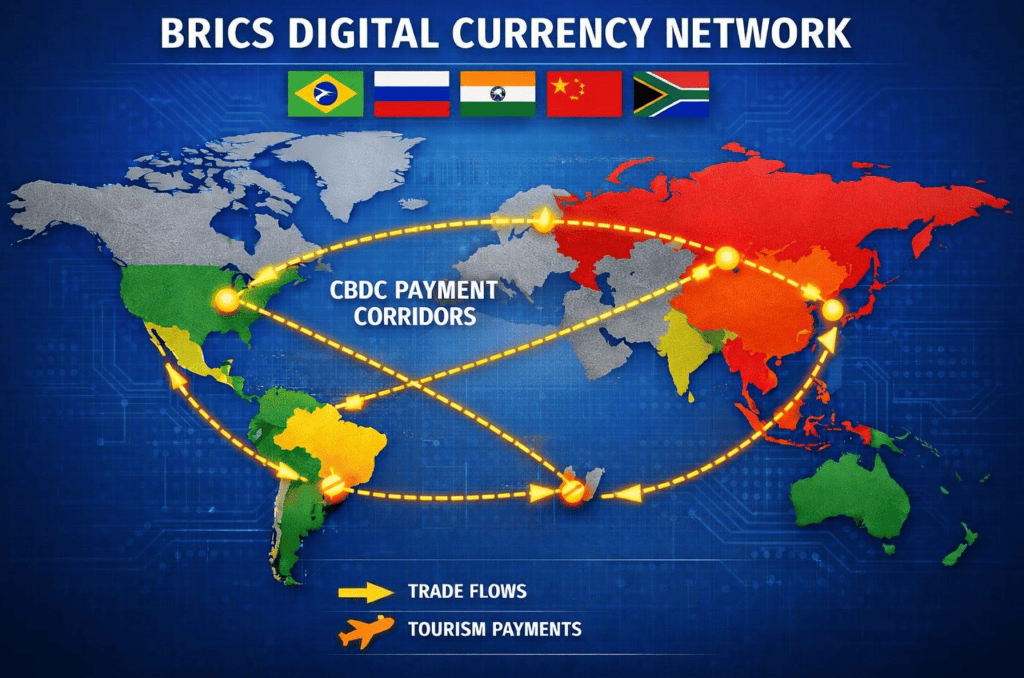
BRICS members have been discussing ways to make cross-border payments easier and increase the use of members’ own currencies in trade and investment.
The 2026 New Delhi Declaration acknowledged work by the BRICS Payment Task Force on cross-border payment mechanisms and discussions around settlements using BRICS members’ local currencies.
This does not mean BRICS has created a new common currency.
That’s an important distinction.
The more realistic goal right now is:
Make it easier for countries to trade without depending entirely on existing financial channels.
That could become increasingly important in a world where financial sanctions and economic restrictions are being used as geopolitical tools.
Is BRICS Trying To Replace The US Dollar?
This is where headlines can become misleading.
You may hear people say:
“BRICS is creating a currency to replace the dollar.”
That is not what happened at the 2026 summit.
Instead, BRICS is working on practical mechanisms for cross-border payments and greater use of local currencies.
Think of it this way.
Imagine India buys something from Brazil.
Today, international trade can involve several financial intermediaries and major currencies.
BRICS countries are interested in creating more options.
The goal is not necessarily:
“Destroy the dollar.”
It is closer to:
“Why should every international transaction have to depend on the same financial system?”
That’s a much more realistic—and potentially more consequential—question.
The Middle East Makes Everything More Complicated
Now comes one of the biggest tests for BRICS.
The expanded group contains countries with very different geopolitical interests.
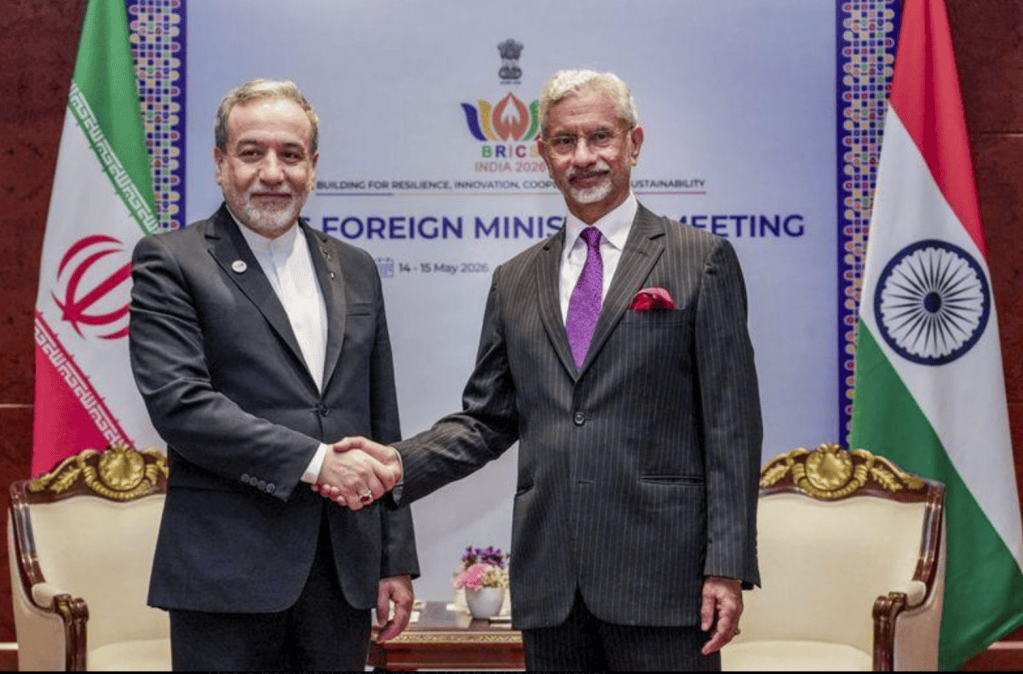
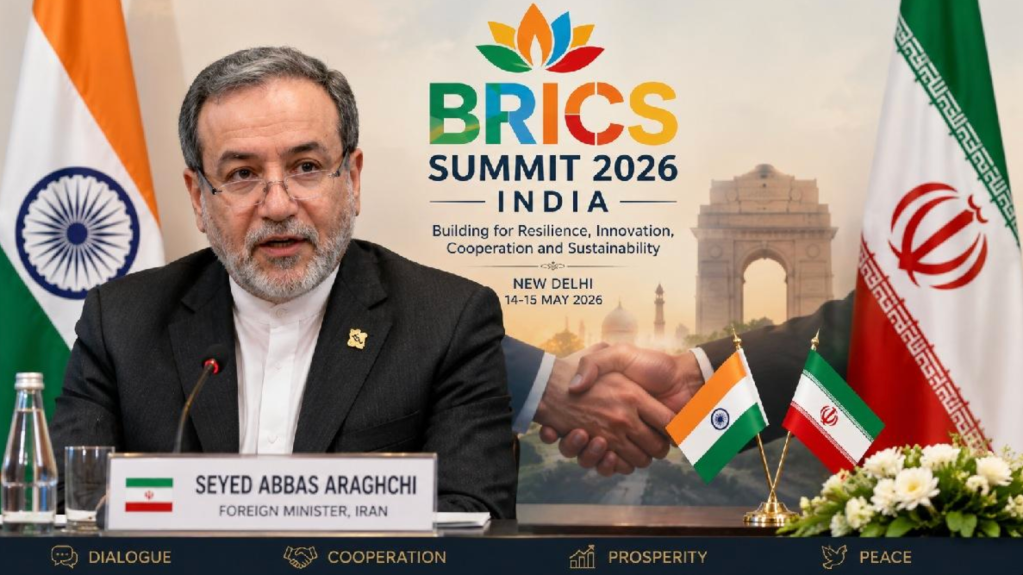
Iran is a BRICS member.
The UAE is also a member.
Yet they have very different relationships with major global powers and different interests in the Middle East.
Meanwhile, the region is experiencing another period of intense conflict.
At the New Delhi summit, BRICS leaders adopted a joint declaration expressing serious concern about escalating violence in the Middle East and calling for maximum restraint and diplomatic solutions.
This reveals something important about BRICS.
The organization is powerful partly because it is diverse.
But that same diversity makes agreement difficult.
How do you create one foreign-policy position when your members don’t always see the world the same way?
That may become BRICS’ biggest challenge.
BRICS Wants A Bigger Voice For The Global South
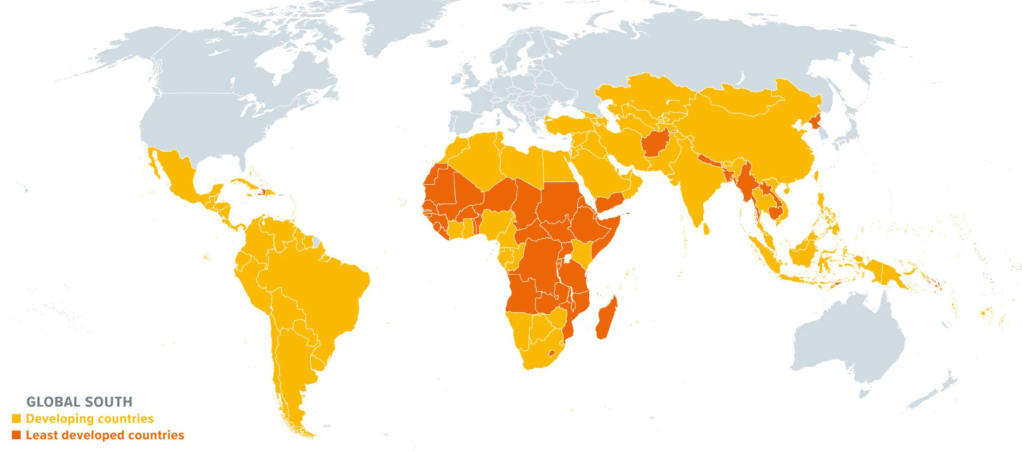
Perhaps the most important long-term ambition of BRICS isn’t a currency.
It is representation.
The New Delhi Declaration called for greater participation of emerging markets and developing countries in global decision-making structures.
The document specifically highlighted the need for reforms that better reflect the realities of today’s multipolar world. It also reiterated support for a greater role for countries such as India and Brazil in the United Nations system.
And this is where India’s position becomes particularly interesting.
India isn’t a small developing country asking for a seat at the table.
It is one of the world’s largest economies and populations.
It has nuclear weapons.
It has a massive technology sector.
It has one of the world’s largest militaries.
And it increasingly sees itself as a country that should help shape global rules—not simply follow them.
BRICS gives India another platform to pursue that ambition.
But Is BRICS Really United?
Here’s the uncomfortable question.
Not entirely.
BRICS members have enormous differences.
India and China have a disputed border.
Russia and Western countries are deeply opposed over Ukraine and wider European security.
Iran has a highly complicated relationship with the United States and several regional powers.
India has close strategic relationships with the United States and its partners.
The economic structures of BRICS countries are also extremely different.
So while the members may agree that the existing international system needs reform, they don’t necessarily agree on what should replace it.
That’s the difference between being a coalition and being an alliance.
BRICS is much closer to a platform for cooperation than a single geopolitical bloc.
And that may actually be its strength.
The AI And Technology Battle
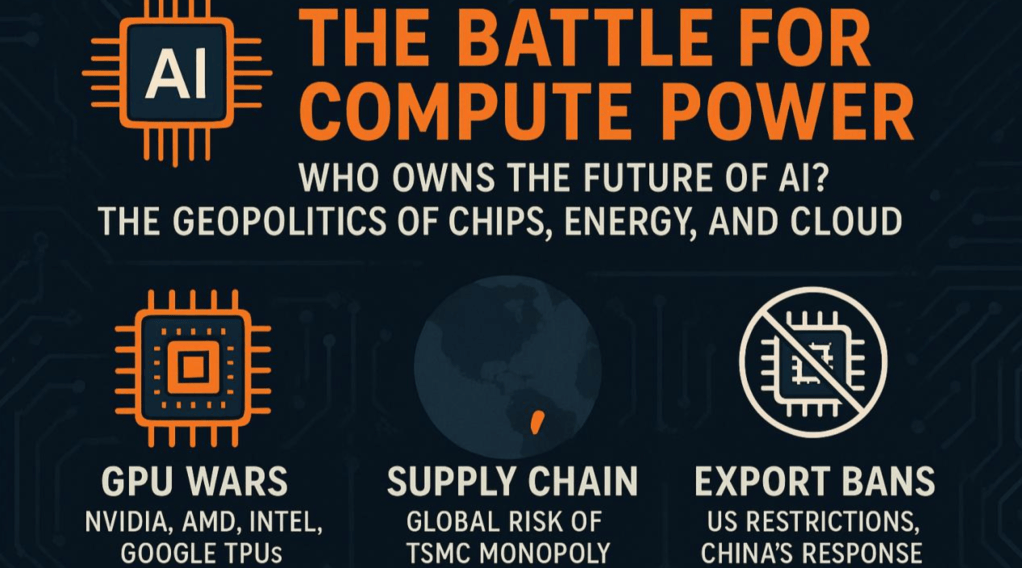
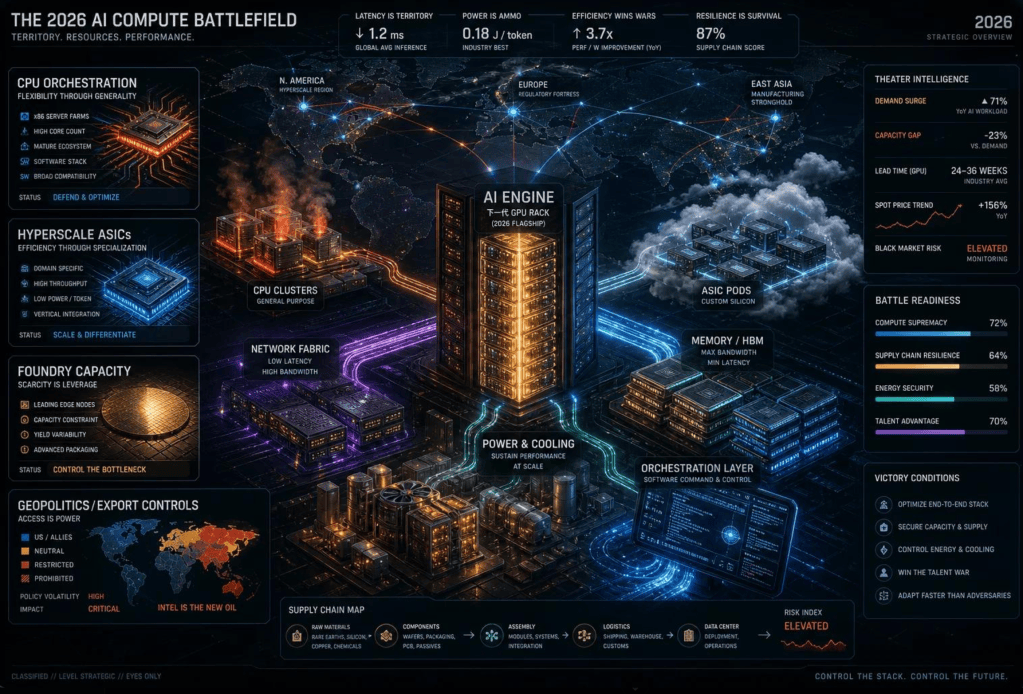
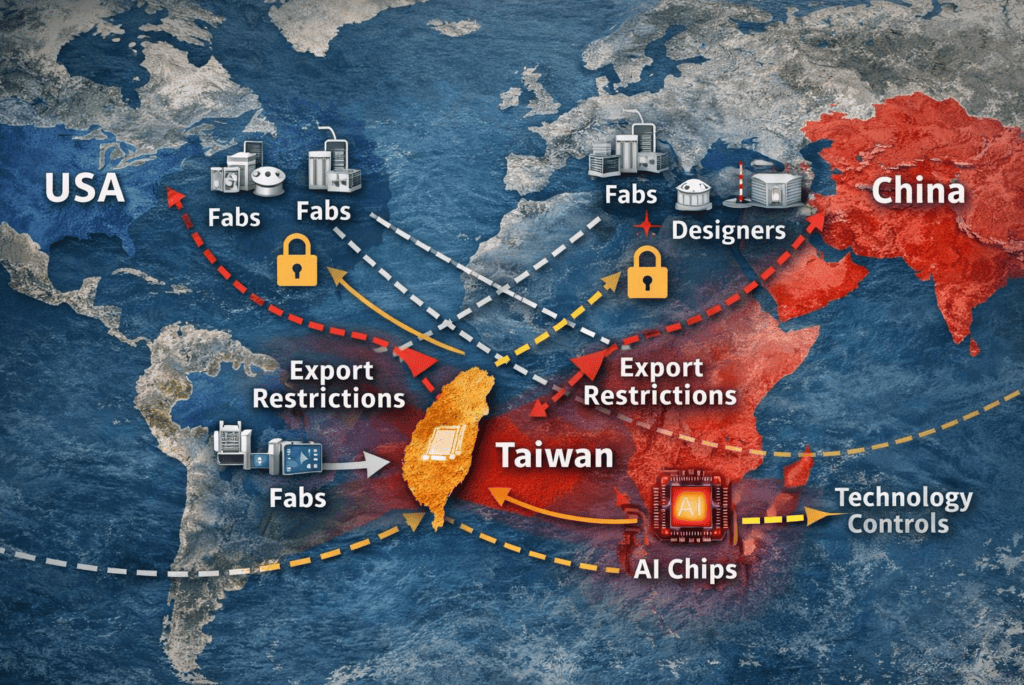
There is another part of BRICS that deserves more attention:
technology.
The New Delhi Declaration puts significant emphasis on science, technology and innovation, including cooperation in emerging fields such as quantum technologies.
BRICS members also discussed AI and the importance of making technological development more inclusive and accessible to the Global South.
Why does this matter?
Because the next global power struggle may not be fought only over oil, territory or military bases.
It could be fought over:
AI + chips + data + energy + critical minerals + digital infrastructure.
And countries that control these technologies may have enormous influence over the next century.
India knows this.
China knows this.
The United States knows this.
And increasingly, the Global South wants a bigger role in the conversation.
So, Is India Building A New Global Power Centre?
Maybe—but probably not in the way people imagine.
India isn’t building BRICS to create a new version of NATO.
It isn’t trying to turn BRICS into a military alliance.
And it isn’t necessarily trying to replace the United States or the dollar.
Instead, India appears to be pushing for something more subtle:
A world with multiple centres of power.
A world where India can cooperate with the United States on technology and defence.
Trade with Europe.
Buy energy from Russia.
Compete with China.
Cooperate with China through BRICS.
Work with Gulf countries.
Engage with Africa.
And still maintain strategic independence.
This is sometimes called strategic autonomy.
And BRICS fits surprisingly well into that strategy.
The Real Test Begins After The Summit
Summits are easy.
Leaders shake hands.
They issue declarations.
They take photographs.
Then everyone goes home.
The difficult part comes afterwards.
Can BRICS actually increase trade among its members?
Can it make cross-border payments easier?
Can it build meaningful cooperation in AI and technology?
Can it finance infrastructure?
Can its members coordinate without allowing their rivalries to paralyze the group?
And perhaps the biggest question:
Can BRICS turn its enormous economic and demographic weight into actual political influence?
That remains uncertain.
The New Delhi Declaration itself emphasizes practical, actionable cooperation rather than simply grand political statements.
That may be the right approach.
Because power isn’t created by declarations.
Power is created when declarations turn into institutions, money, technology, trade and influence.
A New World Order—Or Just Another Diplomatic Club?
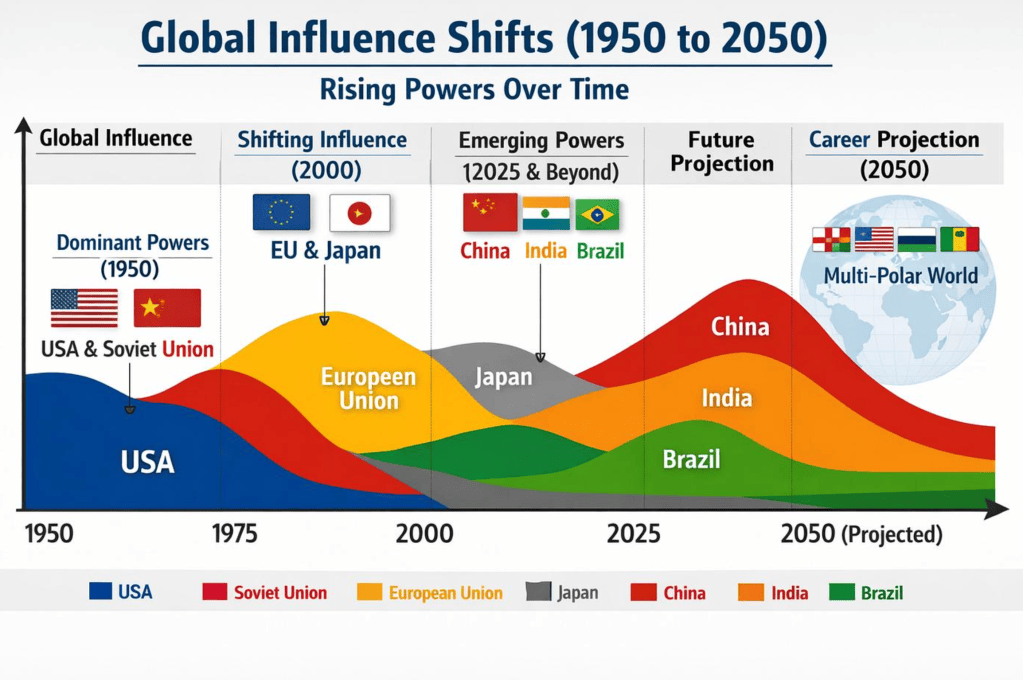
This is where the BRICS story becomes genuinely fascinating.
For years, the global system was often described through a simple lens:
The West vs. the rest.
But the world is becoming harder to divide that neatly.
India can cooperate with America and Russia.
Saudi Arabia can work with China and the United States.
Countries can compete economically while cooperating diplomatically.
And BRICS itself contains countries that don’t always agree with each other.
Perhaps that is the real story.
BRICS may not be building a completely new world order.
It may be helping build a world where there is no single centre of power.
And India is positioning itself right in the middle of that transformation.
The question is no longer simply:
“Will BRICS defeat the West?”
A better question might be:
“Will the future belong to one dominant power—or to several competing centres of power?”
If the answer is the second, then the BRICS summit in New Delhi may eventually be remembered as one more step toward a much more multipolar world.
And India wants to make sure it has a seat—not just at the table, but increasingly, at the table where the table itself is being redesigned.


Leave a comment