Turn on the news for five minutes and you’ll hear about drone strikes, shipping lanes, tariffs, and elections on three different continents — all in the same breath. It’s a lot. And if you’ve ever felt like world affairs is a subject everyone else understands except you, you’re not alone.
Here’s the good news: you don’t need a political science degree to follow what’s happening in the world. You just need a few mental shortcuts — a way of grouping the chaos into patterns. Once you have those, the headlines start to make a lot more sense. Let’s build that toolkit together, using stories happening right now.
Shortcut 1: Follow the choke points
A huge amount of world affairs comes down to a simple question: who controls the paths that goods, energy, and money travel through?
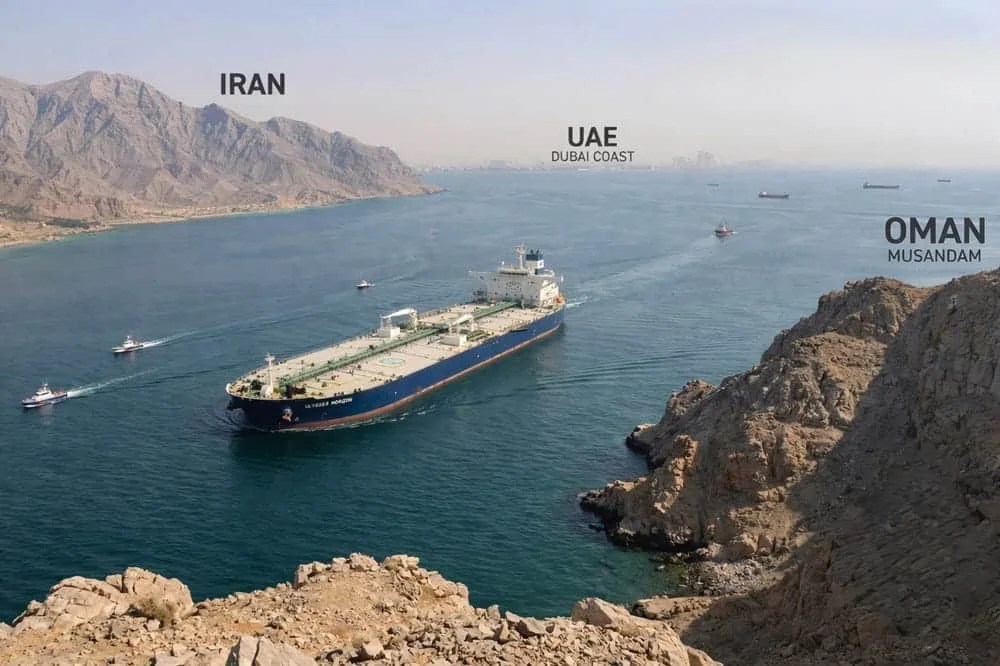
Take the Strait of Hormuz, a narrow stretch of water between Iran and Oman. A massive share of the world’s oil passes through it every day. So when tensions rise between Iran and the United States, one of the first things diplomats scramble to protect isn’t a city or an army — it’s that strip of water. Right now, Iran and Oman are working on an arrangement to keep a temporary route through the strait open, even as the broader standoff with Washington continues.
Whenever you read about a strait, a canal, a pipeline, or a shipping lane in the news, that’s your cue: someone is worried about a choke point. It’s one of the oldest patterns in world affairs — going back centuries before oil even existed.
Shortcut #2: Watch the “power couples” — and the tension between them
A lot of global affairs is really a story about a handful of major powers figuring out how to share the same planet without stepping on each other’s toes. The most consequential relationship in the world right now is the one between the United States and China.
This isn’t just about trade tariffs, though those matter. It’s playing out in the details: China is developing hypersonic missiles, its military capability gap with the U.S. is narrowing faster than many analysts expected, and Beijing is even making moves to internationalize its currency by opening up new bond markets in Hong Kong. None of these are declarations of war — they’re more like two heavyweight boxers circling each other, each testing the other’s reach before anything happens in the ring.
When you see a story about tariffs, chip exports, military drills, or currency rules, ask: is this part of the U.S.-China circling match? Often, the answer is yes — and that context makes an otherwise dry economic story suddenly feel a lot more significant.
Shortcut #3: Wars rarely stay “local”
The war in Ukraine is still grinding on, with Russia and Ukraine continuing to trade drone strikes. Sudan is enduring its own brutal civil conflict, with recent attacks killing dozens in the Darfur region. Gaza remains a site of enormous humanitarian suffering. These conflicts can feel far away and disconnected from daily life — but they rarely stay contained.
Wars disrupt grain and food supplies (which is exactly why the UN Security Council is holding a high-level meeting this month specifically on conflict-related food insecurity). They create refugee movements that reshape politics in neighboring countries. They pull in outside powers looking to support one side or protect their own interests. A war that starts as a local dispute over land or power can quietly become a global story about food prices, migration, or diplomacy within months.
Shortcut #4: Institutions are society’s “shock absorbers”
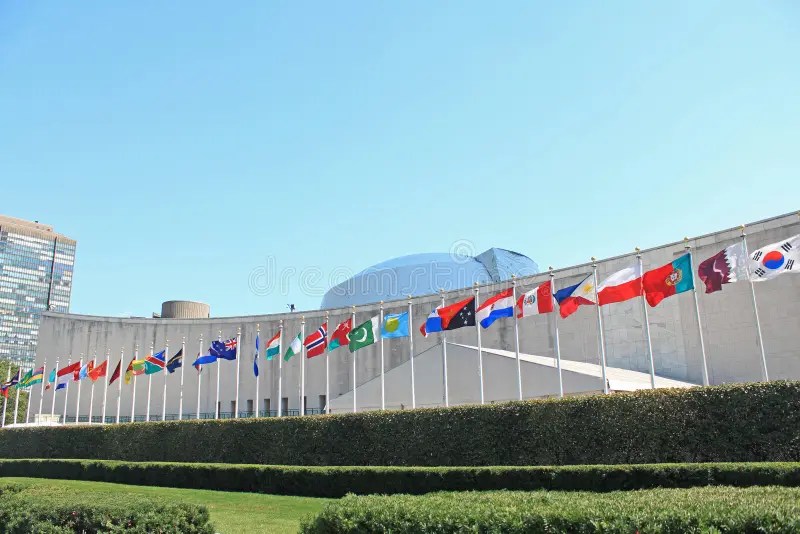
You’ll often hear about the United Nations, the Security Council, or international courts, and it’s easy to dismiss them as slow-moving bureaucracy. But their real function is to give countries a room to argue in before they pick up weapons. It doesn’t always work — but when it does, it’s invisible, because the disaster that didn’t happen never makes the news.
This month, for example, the Security Council is holding sessions on Syria, Libya, Yemen, and South Sudan — none of which will make front-page headlines, but all of which are part of the quiet, unglamorous work of keeping regional tensions from boiling over into wider wars.
Shortcut #5: Anniversaries are context clues
Every August, ceremonies are held in Hiroshima to mark the anniversary of the atomic bombing at the end of World War II. These moments aren’t just remembrance — they’re a reminder of why certain rules exist today, like the taboo against using nuclear weapons. When you see a historical anniversary in the news, it’s often a hint about which long-standing global rule or tension is being tested in the present.
Putting it all together
Next time a world affairs headline crosses your feed, try running it through this quick checklist:
- Is this about a choke point? (a strait, pipeline, trade route)
- Is this part of a “power couple” rivalry? (U.S.-China, for instance)
- Could this local conflict ripple outward? (into food prices, refugees, or other countries)
- Is an institution quietly trying to prevent something worse?
- Does history explain why this matters now?
You won’t need to memorize every country’s foreign policy to follow global events. You just need to notice the patterns — because underneath all the noise, world affairs is really just a handful of very old human stories: who controls what, who trusts whom, and what happens when trust runs out.
That’s the whole idea behind Curious Context: the world isn’t actually as confusing as it looks. It just needs the right lens.


Leave a comment