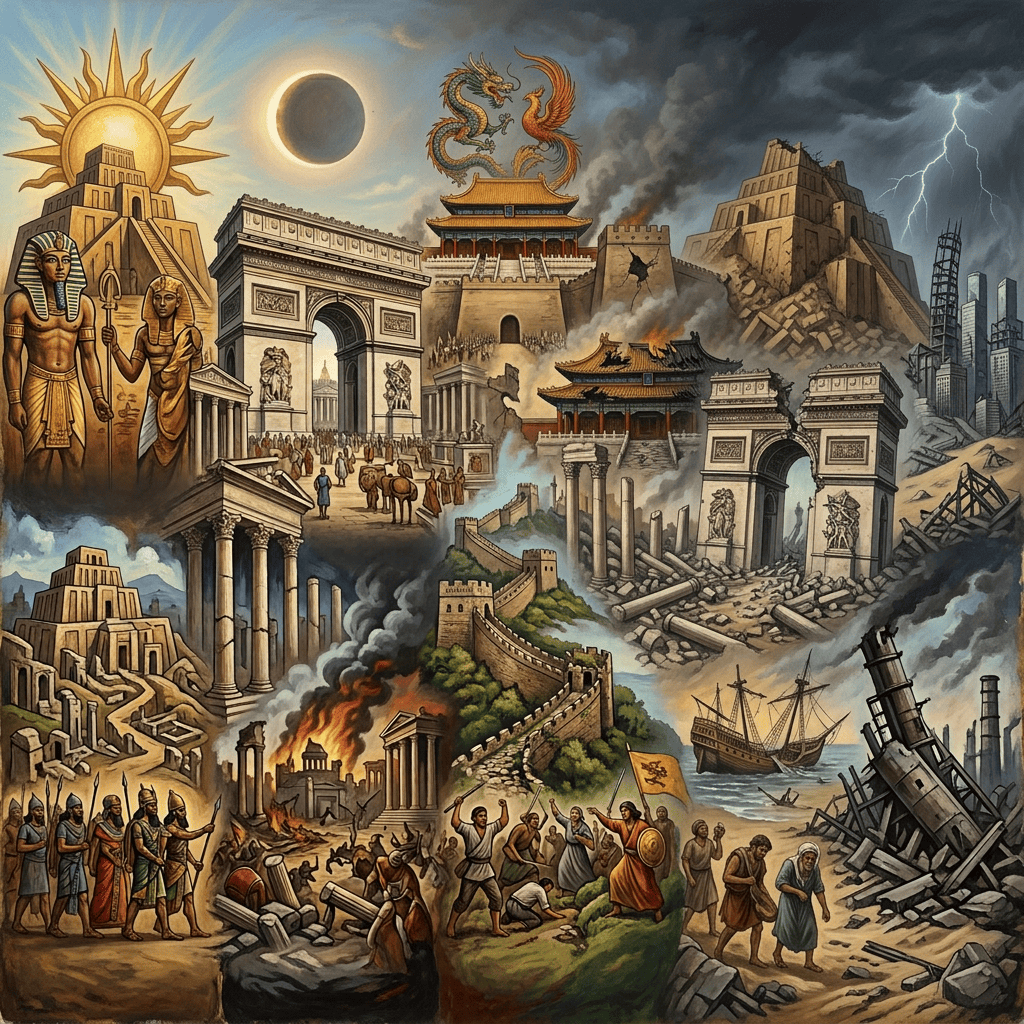
From Rome and the Mongols to the Ottoman and British Empires, history is filled with powers that seemed almost unstoppable—until they weren’t. But is there a pattern behind the rise and decline of great empires?
Empires have fascinated humanity for thousands of years.
At their height, they can appear almost permanent. Their armies control enormous territories, their cities become centers of wealth and culture, and their rulers seem capable of shaping the world around them.
Yet history repeatedly tells us something different.
The Roman Empire eventually fragmented. The Mongol Empire, once the largest contiguous land empire in history, divided into competing khanates. The Ottoman Empire survived for centuries before finally disappearing after the First World War. The British Empire, once described as the empire on which the sun never set, gradually gave way to a world of independent nations.
So what happens?
Why do empires rise in the first place? And why do systems that once seemed so powerful eventually weaken?
The answer isn’t one simple cause. Empires rarely collapse because of a single bad ruler, one lost battle, or one economic crisis.
Their decline usually comes from a combination of expansion, internal weaknesses, economic pressures, political instability, technological change, and external competition.
And perhaps most importantly, the very things that help an empire rise can eventually contribute to its decline.
1. Before an Empire Rises, Something Changes
Empires don’t appear out of nowhere.
Usually, a state first develops an advantage over its neighbors.
That advantage might come from military organization, geography, technology, economic wealth, political institutions, or an unusually capable leadership.
Consider Rome.
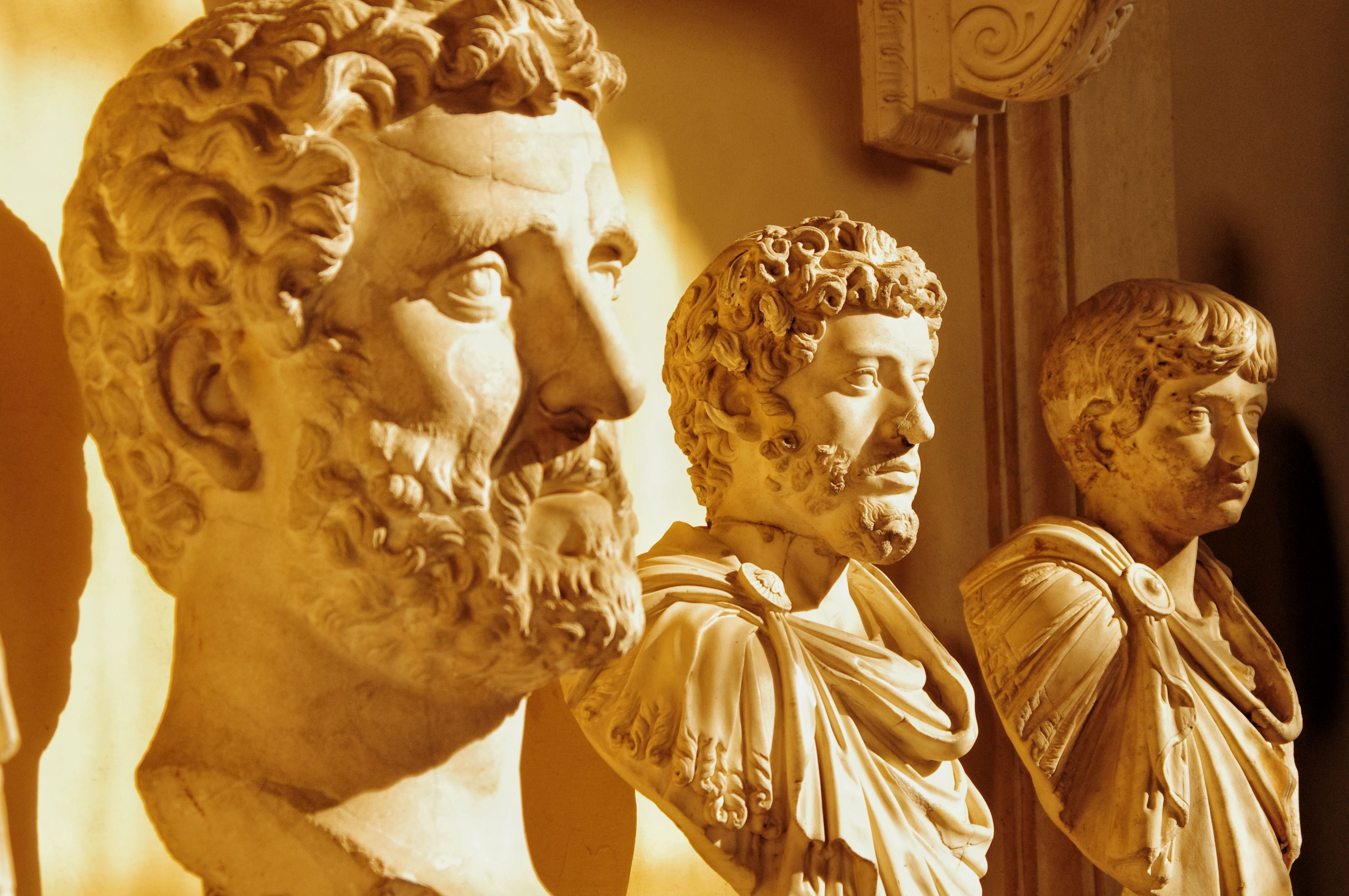
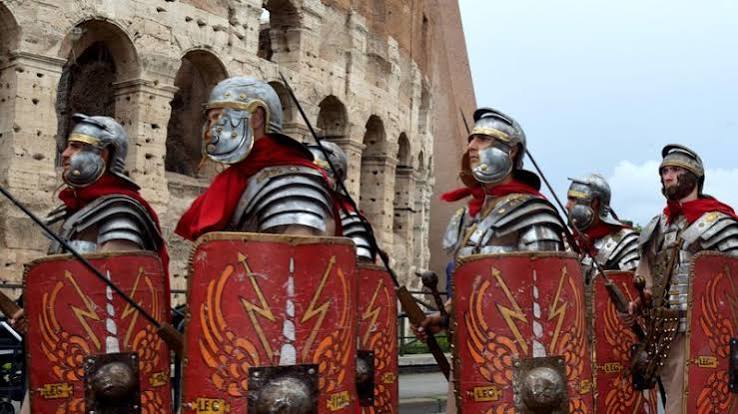
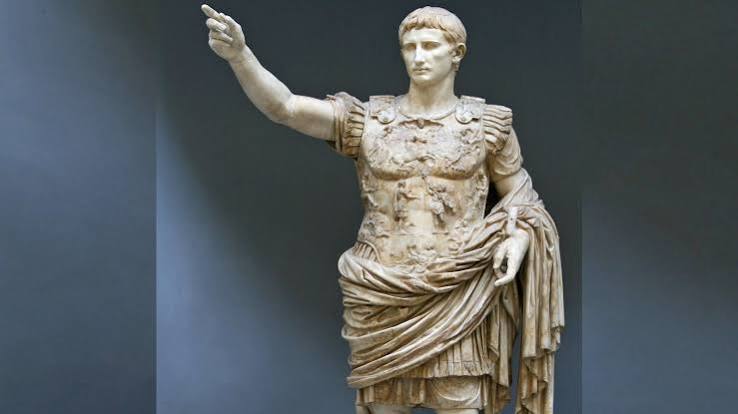
Rome’s expansion was not simply the result of having a large army. Its strength came from a combination of military organization, infrastructure, political institutions, citizenship policies, taxation, and the ability to integrate conquered territories into its wider system.
The Mongols provide a very different example.
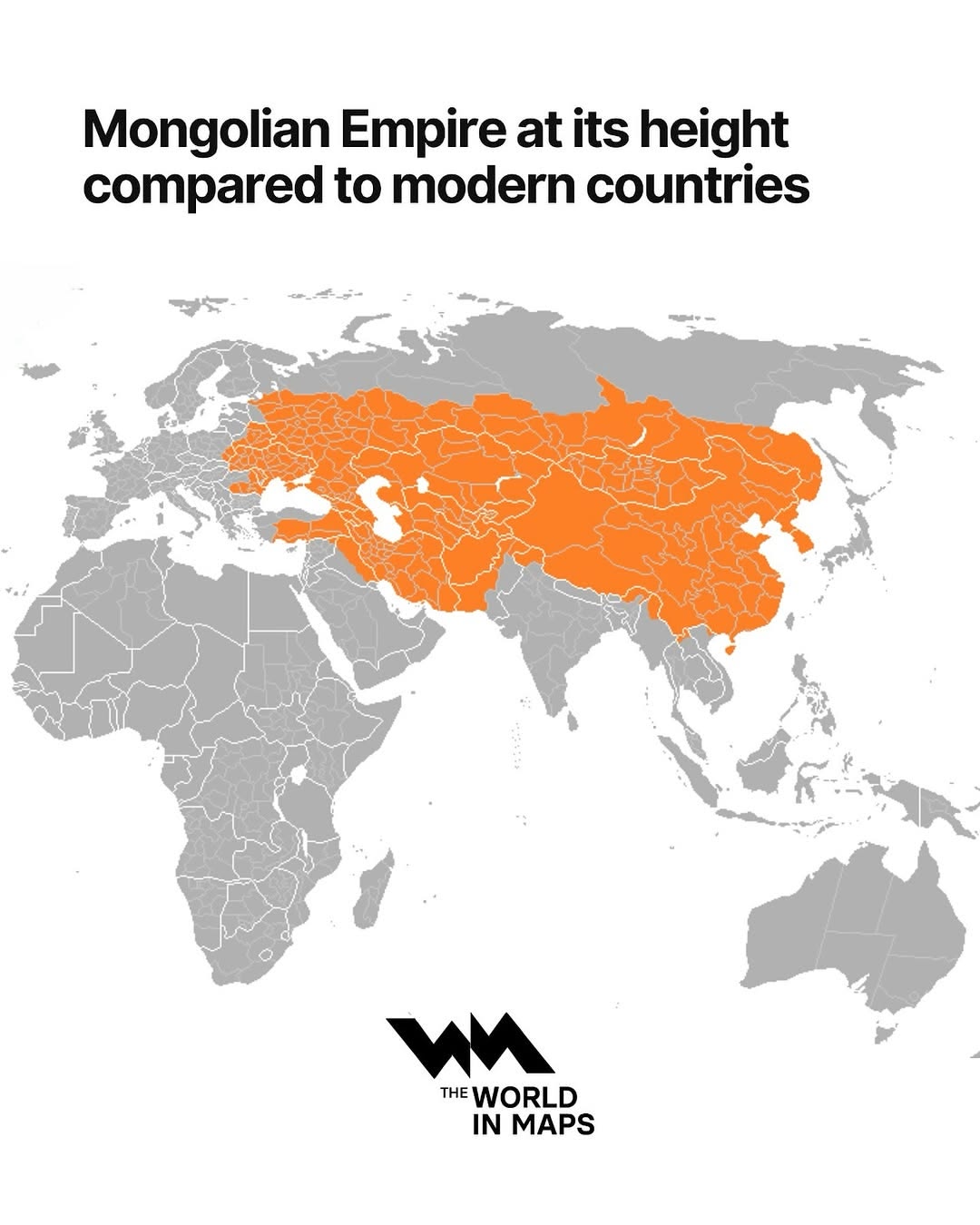
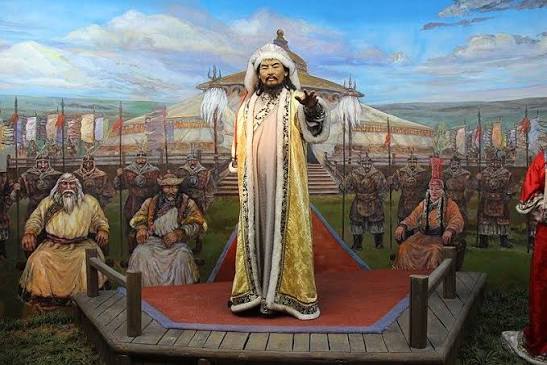
Under Genghis Khan, Mongol forces developed highly mobile armies, sophisticated battlefield organization, intelligence networks, and communication systems that allowed them to operate across enormous distances.
The British Empire rose under different circumstances again.
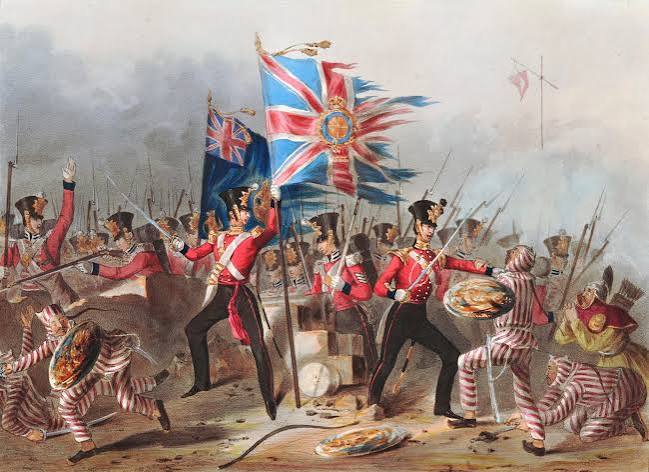
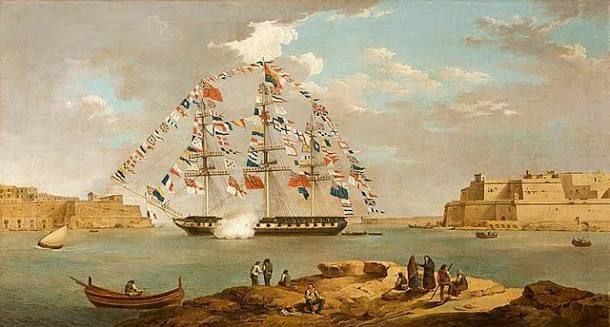
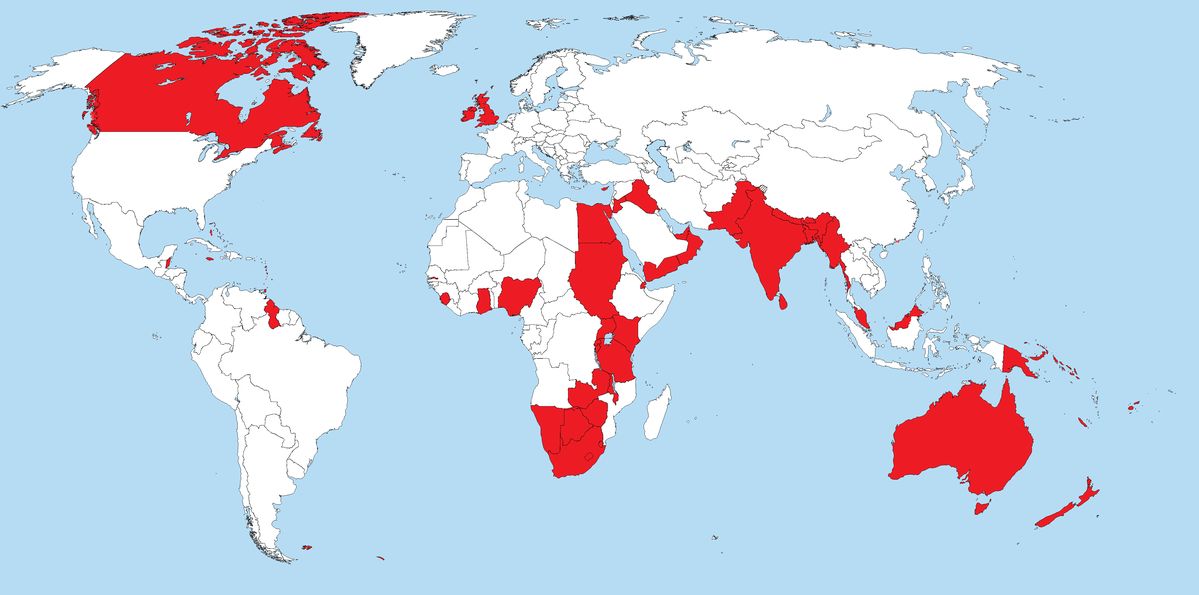
Naval power, commercial networks, industrialization, financial institutions, and Britain’s geographic position all contributed to its global influence.
Different empires therefore rise through different combinations of advantages.
But there is a common principle:
Power grows when a state becomes exceptionally good at turning its resources into influence.
2. Expansion Creates Wealth—and Problems
Once a state becomes powerful, expansion can become attractive.
More territory can mean more resources, more trade routes, more taxes, more strategic positions, and greater political influence.
But expansion has a hidden cost.
The larger an empire becomes, the more difficult it becomes to govern.
Armies have to defend longer borders. Roads and infrastructure have to be maintained. Distant provinces need administrators. Rebellions have to be suppressed. Taxes have to be collected.
The empire becomes more powerful—but also more complicated.
This creates an important historical paradox:
Expansion can strengthen an empire while simultaneously making it harder to control.
Rome is a classic example.
At its greatest extent, the Roman Empire covered enormous territory across Europe, North Africa, and the Middle East.
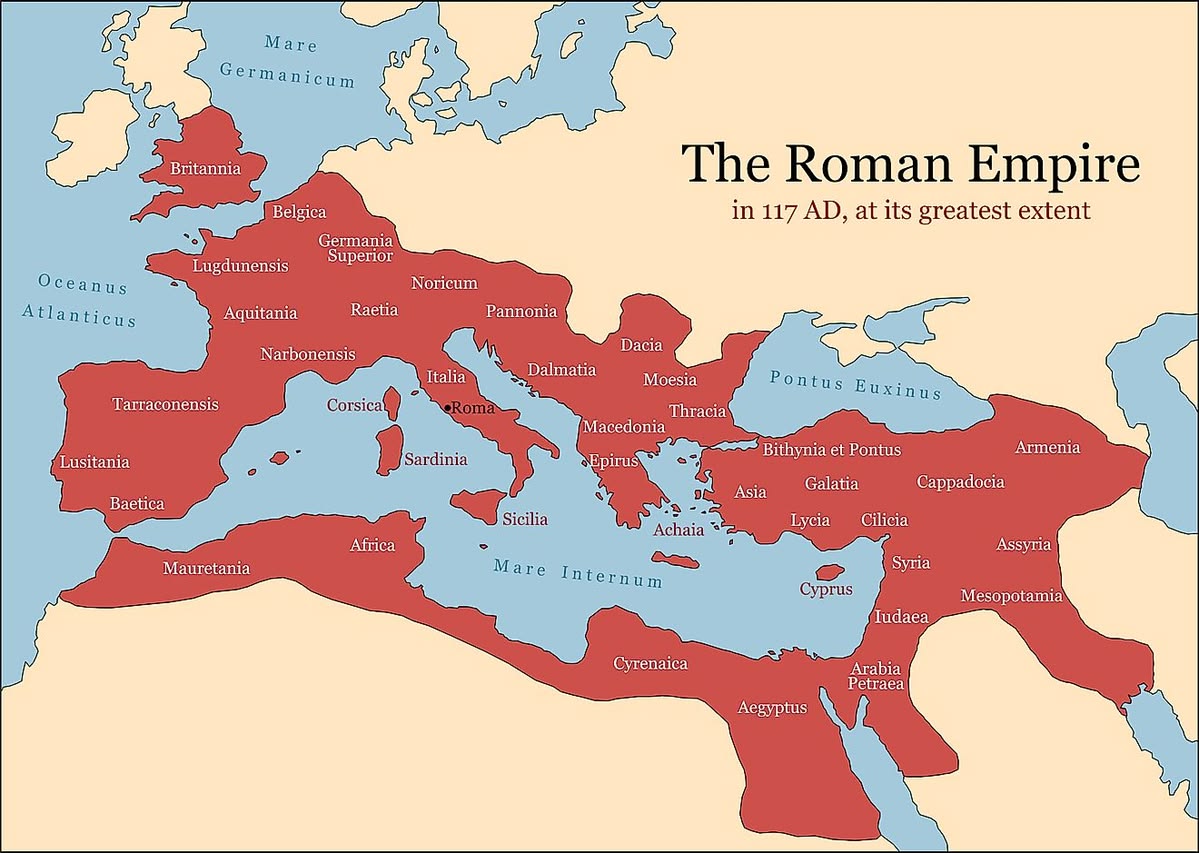
That territory generated enormous wealth.
But it also required an enormous administrative and military system to maintain.
The same problem appeared in other large empires.
Eventually, the question changes from:
“How much more can we conquer?”
to:
“How much can we realistically govern?”
3. Success Can Create Overconfidence
One of the most dangerous moments for a powerful state can be when it has been successful for too long.
Success creates confidence.
Confidence can become complacency.
And complacency can make leaders underestimate new threats.
An empire that has defeated its rivals repeatedly may begin assuming that the next rival will be defeated just as easily.
But the world doesn’t remain still.
Technology changes.
Economic systems change.
New political movements appear.
New military strategies develop.
Rivals learn.
The empire may continue using institutions and strategies that worked in the past while the environment around it has changed.
This is one reason the decline of powerful states is often difficult to recognize while it is happening.
The empire may still be wealthy.
Its army may still be enormous.
Its cities may still be impressive.
Its flag may still fly over vast territories.
But underneath the surface, its ability to adapt may already be weakening.
4. The Cost of Maintaining Power
Empires are expensive.
Armies need to be paid.
Forts need to be maintained.
Roads and ports need investment.
Administrations need funding.
Wars require enormous resources.
As an empire expands, these costs can increase dramatically.
Eventually, maintaining the empire can become more expensive than the benefits produced by expansion.
This doesn’t necessarily mean that an empire suddenly becomes poor.
Sometimes the problem is relative.
A state may remain wealthy while its rivals become even wealthier.
This is especially important in understanding the decline of Britain’s global dominance.
Britain emerged from the Industrial Revolution as a major economic and naval power. But over time, other industrial powers—particularly the United States and Germany—became increasingly important.
Britain’s relative position changed.
And after two world wars, maintaining a worldwide empire became increasingly difficult.
The lesson is important:
A power does not necessarily decline because it becomes weak. Sometimes it declines because others become stronger.
5. Internal Division Can Be More Dangerous Than External Enemies
It is tempting to imagine that empires fall because another empire defeats them.
Sometimes that happens.
But internal problems can be just as important.
Political factions can compete for power.
Economic inequality can increase.
Regional leaders can become more independent.
Religious or ethnic tensions can intensify.
Corruption can weaken institutions.
Citizens may lose confidence in the political system.
When internal cohesion declines, external enemies often find opportunities to exploit those weaknesses.
This doesn’t mean that every empire collapses because of “moral decline,” as some popular historical stories suggest.
Reality is usually more complicated.
Institutions matter.
Economic structures matter.
Political legitimacy matters.
The ability of governments to solve problems matters.
A state can survive enormous external pressure if its institutions remain adaptable.
But when political institutions become unable to respond to changing circumstances, even a powerful empire can become vulnerable.
6. Geography Can Become a Burden
Geography can help create an empire.
It can also help destroy one.
An empire with territory spread across enormous distances faces logistical challenges that a smaller state does not.
Messages take longer to travel.
Armies take longer to move.
Local problems are harder to manage from the center.
The Roman Empire eventually faced exactly this problem.
Its territory was so large that governing everything effectively became increasingly difficult.
Emperor Diocletian responded in part by reorganizing the empire and creating a more divided administrative structure.
Eventually, the Roman world developed into distinct eastern and western political centers.
The Western Roman Empire eventually collapsed in the fifth century.
The Eastern Roman Empire—what we now call the Byzantine Empire—continued for almost another thousand years.
This itself is an important reminder:
“The Roman Empire fell” is an oversimplification.
One part of the Roman imperial system disappeared in the West, while the eastern empire continued for centuries.
History is rarely as simple as a beginning, middle, and end.
7. Technology Changes the Balance of Power
Empires also have to adapt to technological change.
A military advantage that works in one period may become obsolete in another.
The development of gunpowder, for example, transformed warfare.
Naval technology changed the ability of states to project power across oceans.
Industrialization transformed production, transportation, communications, and warfare.
The telegraph allowed information to travel much faster across enormous distances.
Later, railways and steamships made global movement faster and cheaper.
States that adapted to these changes could gain enormous advantages.
Those that failed to adapt could find themselves falling behind.
This is why the history of empires is also a history of adaptation.
Power isn’t simply about what a state possesses.
It is also about how quickly it can respond when the rules change.
8. Empires Don’t Always “Fall”
There is another misconception worth challenging.
We often imagine an empire as something that exists one day and suddenly disappears the next.
In reality, decline is usually gradual.
An empire can lose territory while remaining powerful.
It can lose economic influence while maintaining military strength.
It can transform politically without completely disappearing culturally.
The Ottoman Empire is a good example.
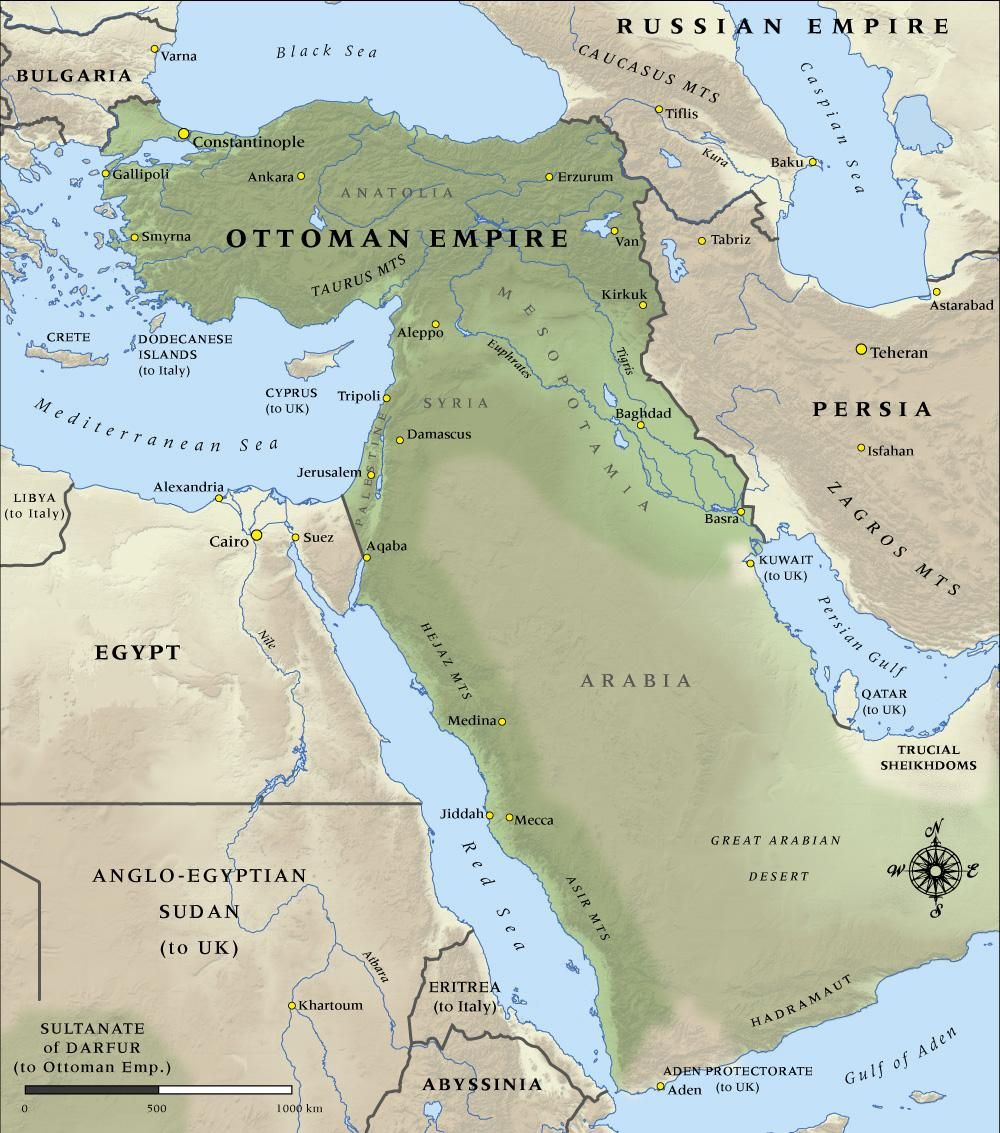
It survived for centuries despite wars, territorial losses, political struggles, and changing international conditions.
Its final dissolution came after the First World War, but its decline was not a single event.
Similarly, the British Empire did not simply collapse overnight.
Decolonization occurred over decades.
Countries gained independence at different times and under different circumstances.
This suggests something important:
Empires usually don’t fall like buildings. They unravel, transform, adapt, and sometimes disappear piece by piece.
9. So, Why Do Empires Fall?
There isn’t a universal formula.
Rome was not Britain.
Britain was not the Ottoman Empire.
The Mongol Empire was not the Spanish Empire.
Each existed under different economic, technological, geographic, and political conditions.
But recurring pressures appear again and again:
Overexpansion can make territory difficult to govern.
Economic pressure can make maintaining power increasingly expensive.
Political instability can weaken decision-making.
Internal divisions can reduce cohesion.
Technological change can make old advantages less effective.
External competition can shift the balance of power.
And perhaps most importantly:
Failure to adapt can turn temporary problems into structural ones.
The important point is that these factors rarely operate independently.
A financial crisis can create political instability.
Political instability can weaken the military.
Military weakness can encourage external rivals.
External pressure can worsen economic problems.
One weakness can therefore amplify another.
10. The Bigger Lesson: Power Is Never Permanent
Perhaps the most fascinating lesson of imperial history isn’t that every empire eventually falls.
It is that no form of power remains exactly the same forever.
The strongest empire today may face challenges that previous generations could not have imagined.
The technologies that create power can change.
The economic systems that support it can change.
The alliances around it can change.
Even the definition of power itself can change.
In the ancient world, power was heavily connected to land and armies.
Later, naval power and trade became increasingly important.
The Industrial Revolution made manufacturing and resources crucial.
In the modern world, technology, finance, information, alliances, and economic interdependence have become major sources of influence.
The map of power keeps changing.
The Context
Empires do not usually fall because of one dramatic event.
They decline through accumulation.
A state expands. Its responsibilities grow. Its institutions become more complicated. The cost of maintaining its power increases. Rivals emerge. Technology changes. Internal disagreements deepen. Eventually, the system may become less capable of adapting than the world around it.
That is why the rise and fall of empires is not simply a story about ancient kings, enormous armies, and forgotten battles.
It is a story about something much more universal:
How power is built, how it is maintained, and what happens when a system becomes unable—or unwilling—to change.
History doesn’t repeat itself perfectly.
But it often gives us patterns worth recognizing.
And perhaps that is the most useful reason to study the rise and fall of empires—not to predict exactly what will happen next, but to understand why powerful systems succeed, where they become vulnerable, and how quickly the world can change around them.
Because the most powerful lesson of history may be this: power can last for centuries, but it can never afford to stop adapting.


Leave a comment