Category: Marketing Strategy Company: Duolingo The Big Idea: A language-learning app let its mascot go completely unhinged on social media — and it worked better than any traditional ad campaign could have.
The Setup
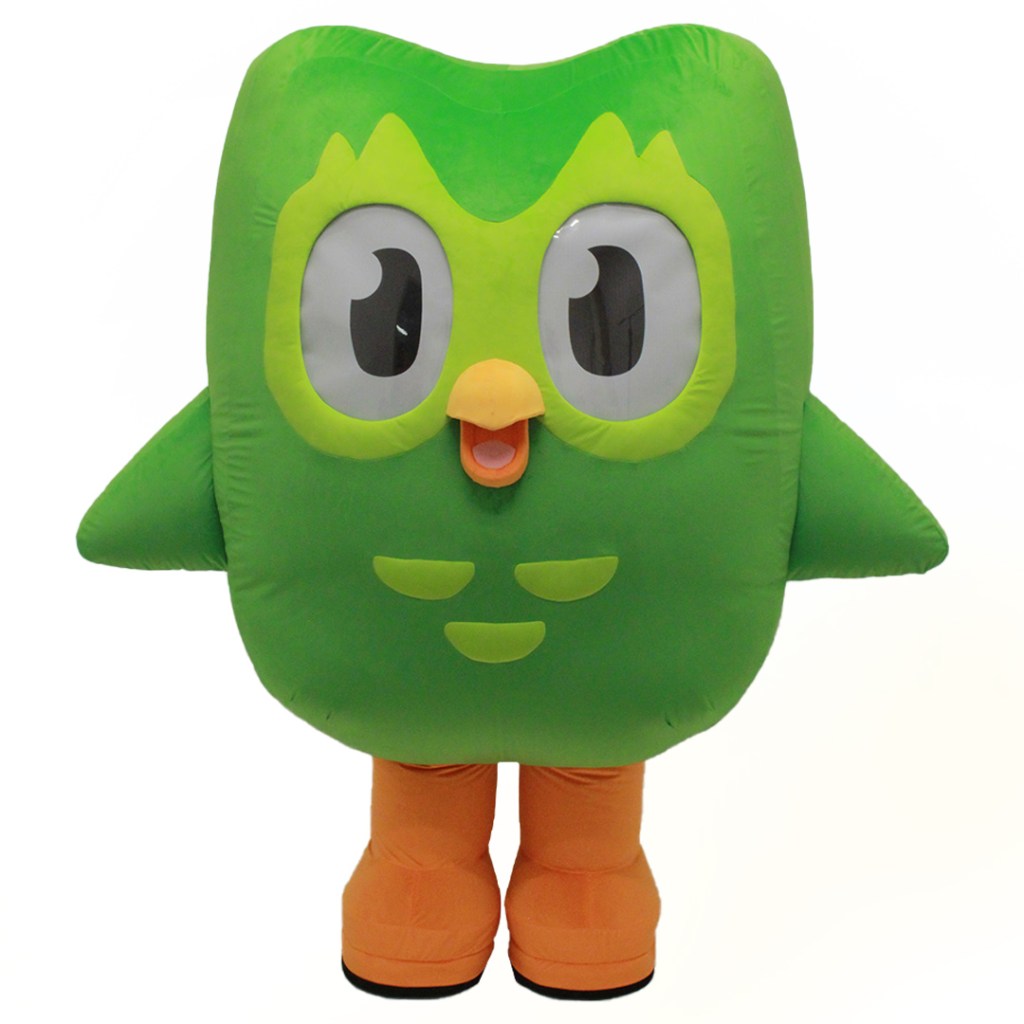
If you’ve spent more than five minutes on TikTok, you’ve probably seen him: a giant green owl, twerking on a desk, “thirsting” after pop stars, or ominously reminding you that you haven’t done your Spanish lesson today. That’s Duo, the mascot of Duolingo — and his chaotic online persona is one of the most talked-about marketing case studies of the decade.
But here’s what makes this story genuinely interesting: it wasn’t a big-budget campaign dreamed up by a room full of executives. It started small, got weird fast, and ended up reshaping how brands think about social media entirely.
The Problem Duolingo Was Actually Solving
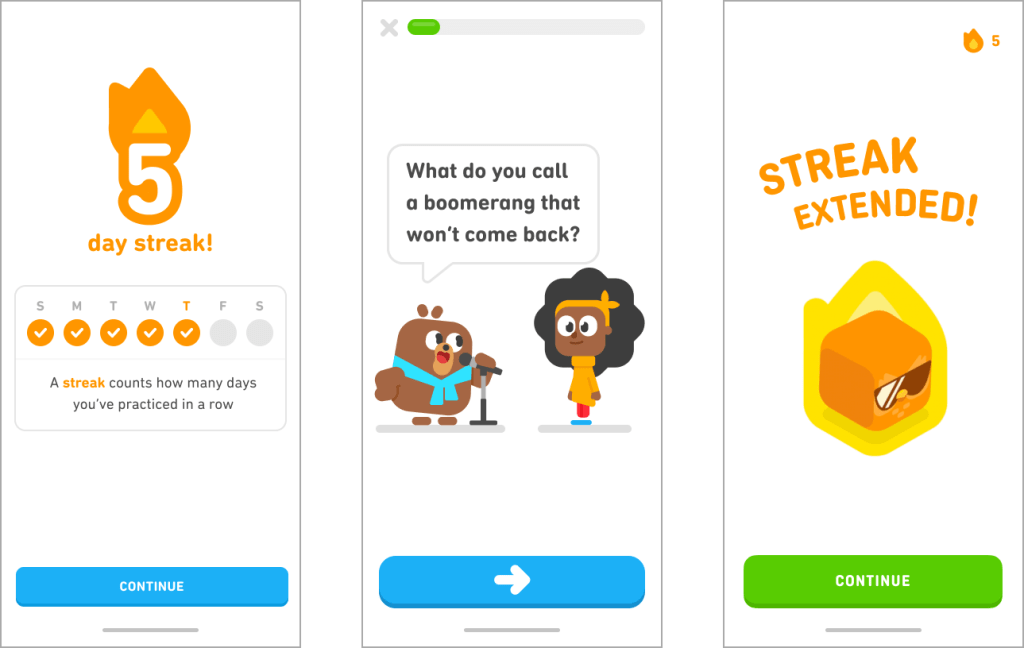
Duolingo isn’t just selling an app — it’s selling a habit. The entire business depends on people opening the app and doing a lesson every single day. Miss a few days, and users quietly drift away.
So the real marketing challenge wasn’t just “get people to download the app.” It was “get people to keep coming back.” That’s a much harder problem, and it’s the key to understanding everything that came next.
Enter: The Owl With No Filter
Around 2021, Duolingo’s social media team — led by a then 23-year-old social media manager — started posting on TikTok the way an individual creator would, not the way a corporation typically does. No polished ad scripts. No quarterly campaign calendars. Just fast, funny, of-the-moment videos featuring someone in a full owl costume.
Early on, the owl showed up at a Doja Cat concert and lip-synced along in the crowd. It was silly, a little chaotic, and clearly not “on-brand” in the traditional sense. Duolingo posted it anyway. Doja Cat reposted it, and the video reached millions of people who had never even considered downloading a language app.
That single moment set the tone for everything after. The team leaned further into it:
- Duo got a personality. Not a cute, friendly one — a chaotic, self-aware, slightly unhinged one. He “threatened” users who skipped lessons, joked about kidnapping people to make them learn Spanish, and became famous for aggressively passive-aggressive push notifications.
- They jumped on trends instantly. No waiting weeks for approval — if something was trending on TikTok that morning, there was a decent chance Duo was part of it by that afternoon.
- They treated the account like a creator page, not a corporate one. Same posting frequency, same in-jokes, same internet-native energy as any popular TikTok personality — not a brand account with a marketing calendar.
The Stunt That Broke the Internet: “The Death of Duo”
The clearest example of how far Duolingo was willing to go came with a campaign that seemingly “killed off” Duo the owl in a dramatic TikTok video — as if he’d finally given up on the users who kept ignoring their lessons.
It sounds like a strange move for a brand to make. But it caused mentions of Duolingo to spike by roughly 25,000%, with even celebrities like Dua Lipa jumping into the conversation. The stunt wasn’t just a joke — it turned into a genuine cultural moment, and it pulled a wave of lapsed users right back into the app.
Why It Actually Worked
Here’s the part most brands miss when they try to copy this strategy: the humor wasn’t the whole strategy. It was the delivery mechanism for something deeper.
When you see Duo doing something ridiculous online, the feeling it triggers isn’t really “haha, funny owl.” For a lot of users, it’s a flicker of guilt — oh right, I haven’t done my lesson today. Duolingo’s own leadership has pointed out that this is exactly the point: the chaotic content works because the app already has a habit-forming hook in the user’s life. The jokes remind you of something you already feel a little bad about ignoring.
That’s why a “funny TikTok account” alone won’t replicate this for every brand. It works for Duolingo because the product itself is designed around daily engagement. The content and the product reinforce each other.
The Results
The numbers speak for themselves:
- Duolingo’s TikTok following grew to over 16 million, making it one of the most-followed educational brands on any platform.
- Daily active users climbed from 4.9 million in 2019 to more than 80 million by late 2024 — a period that closely tracks the rise of the TikTok strategy.
- All of this happened while Duolingo kept its overall marketing spend surprisingly lean — around $90.5 million in 2024, only about 12% of its total revenue — a fraction of what comparable subscription companies typically spend to acquire users.
Traditional advertising simply doesn’t produce numbers like these on that kind of budget.
The Takeaway for Any Brand
You don’t need a giant owl costume to learn from this case study. A few principles carry over to almost any business:
- Consistency builds a real personality. Duo didn’t become iconic from one viral video — it took months of daily, consistent posting before the character clicked with audiences.
- Speed beats polish on social media. Reacting to a trend the same day it’s happening will almost always outperform a beautifully produced video that arrives two weeks too late.
- Marketing works best when it’s built on top of a real hook. The jokes only landed because Duolingo had already built something people felt a little guilty about neglecting. Without that underlying product hook, the humor alone wouldn’t have moved the needle nearly as much.
- Letting go of “brand safety” a little can pay off. Duolingo trusted a small, young team to make fast creative calls — a level of trust many companies are still uncomfortable with. That trust is exactly what let the content feel real instead of corporate.
Duolingo’s owl didn’t go viral by accident, and it didn’t stay relevant by luck. It worked because a genuinely funny, fast-moving social presence was built on top of a product people were already emotionally invested in. That combination — not just the jokes — is the real case study here.
Curious Context — Case Studies


Leave a comment